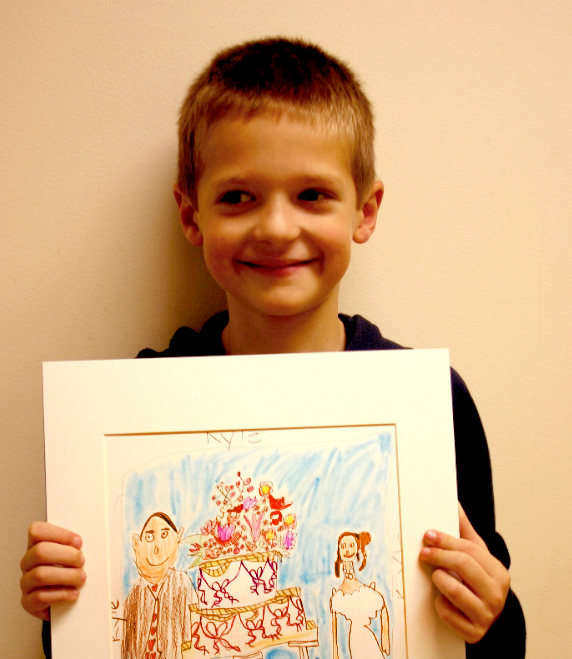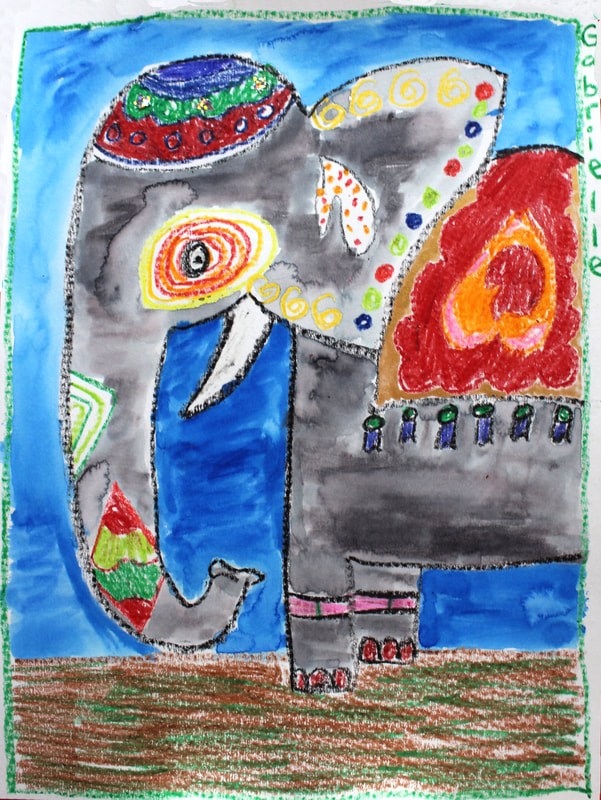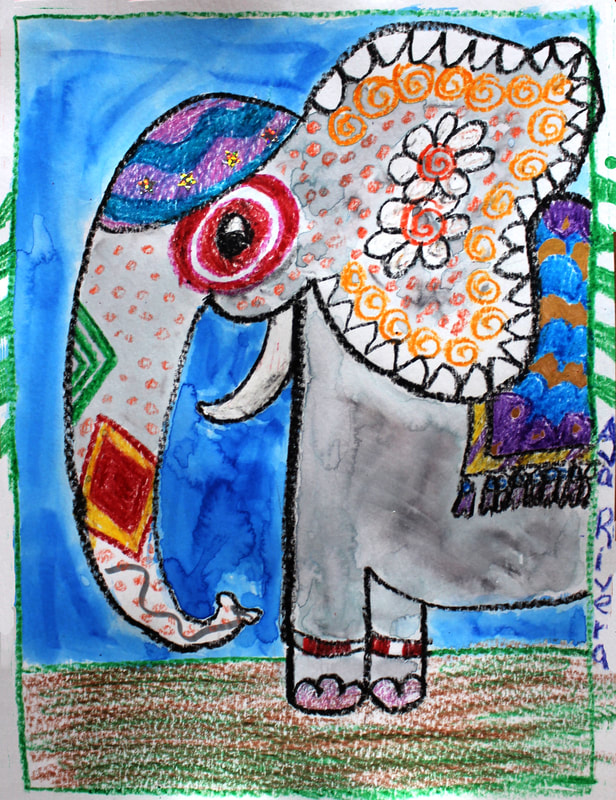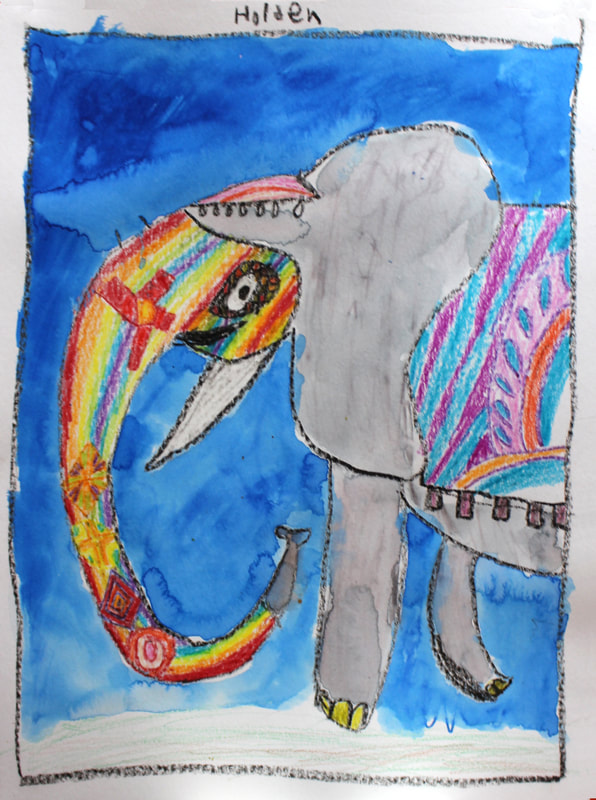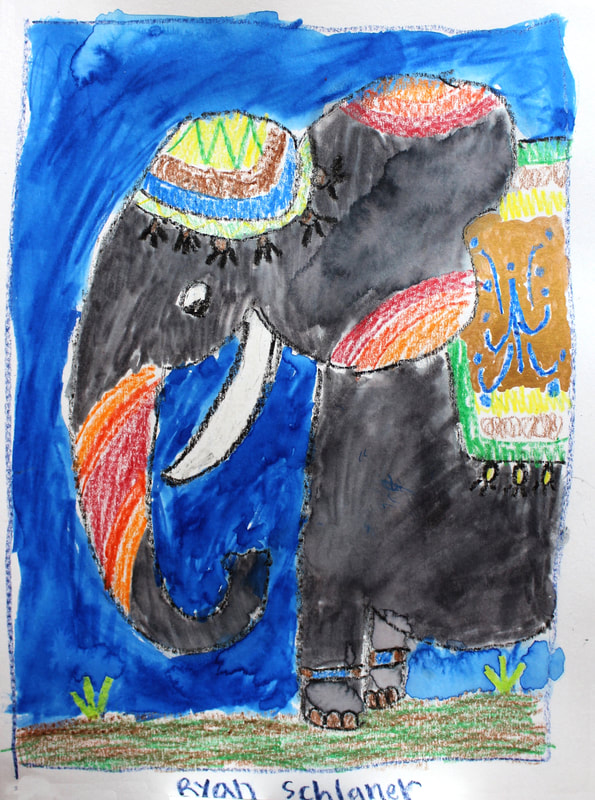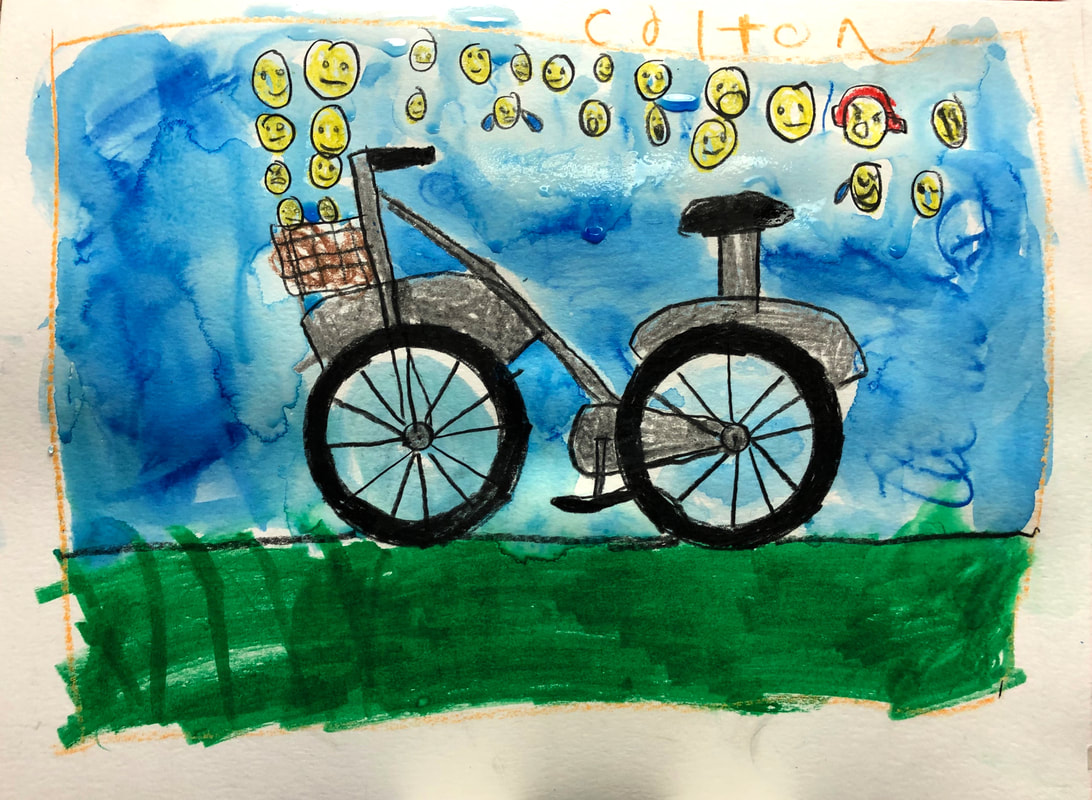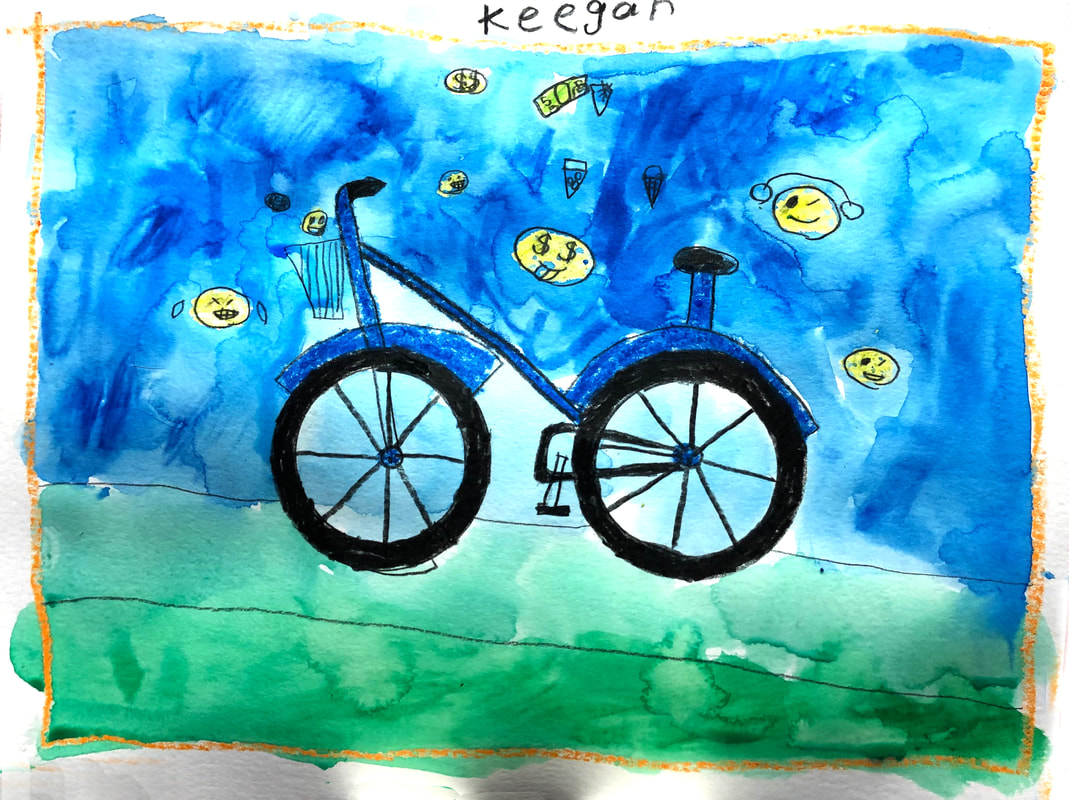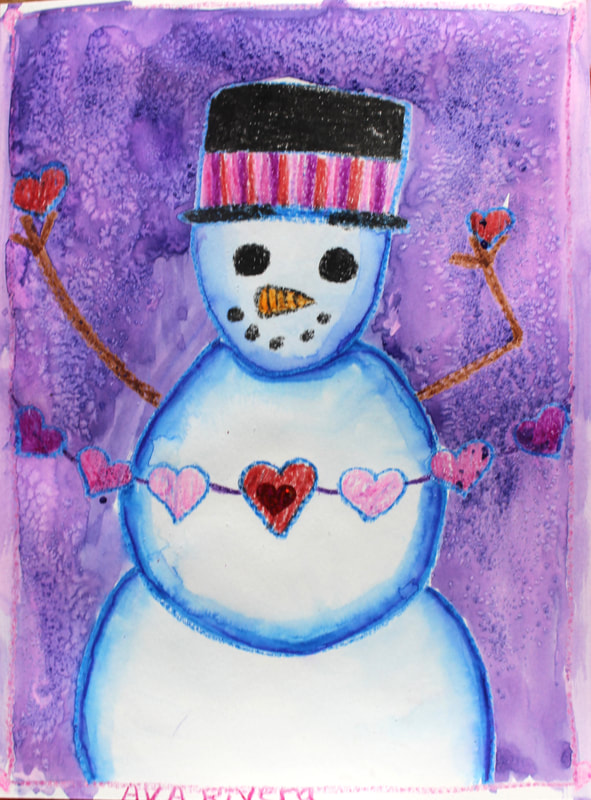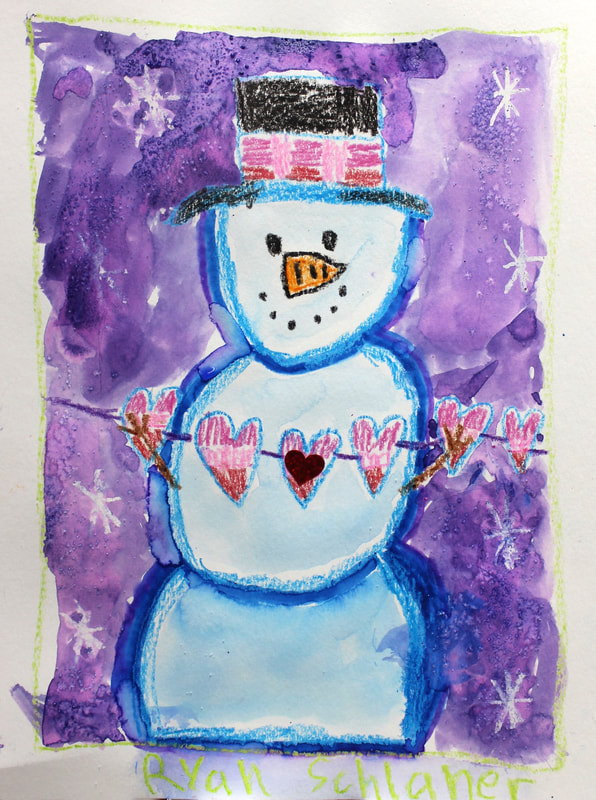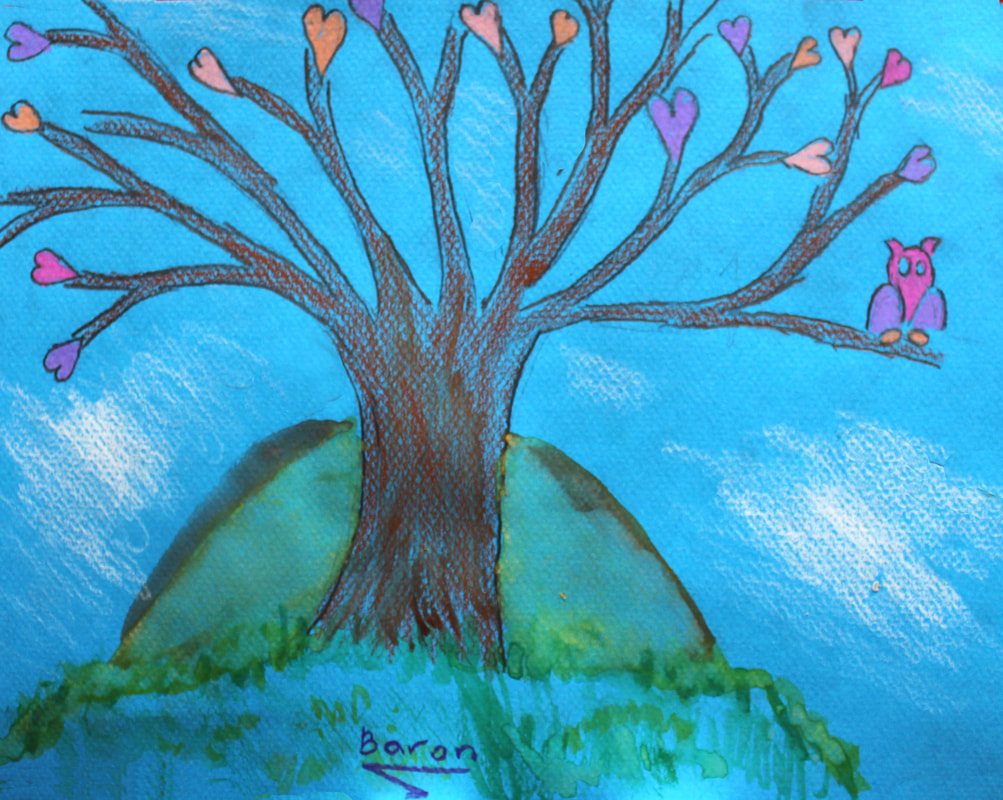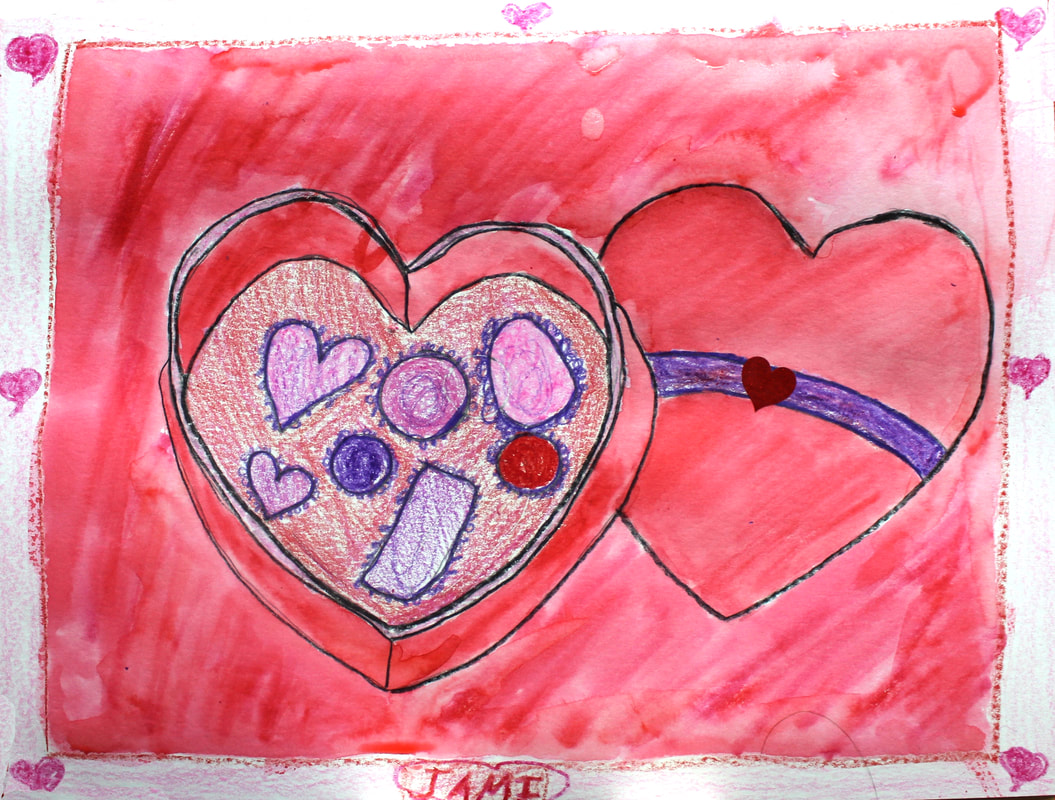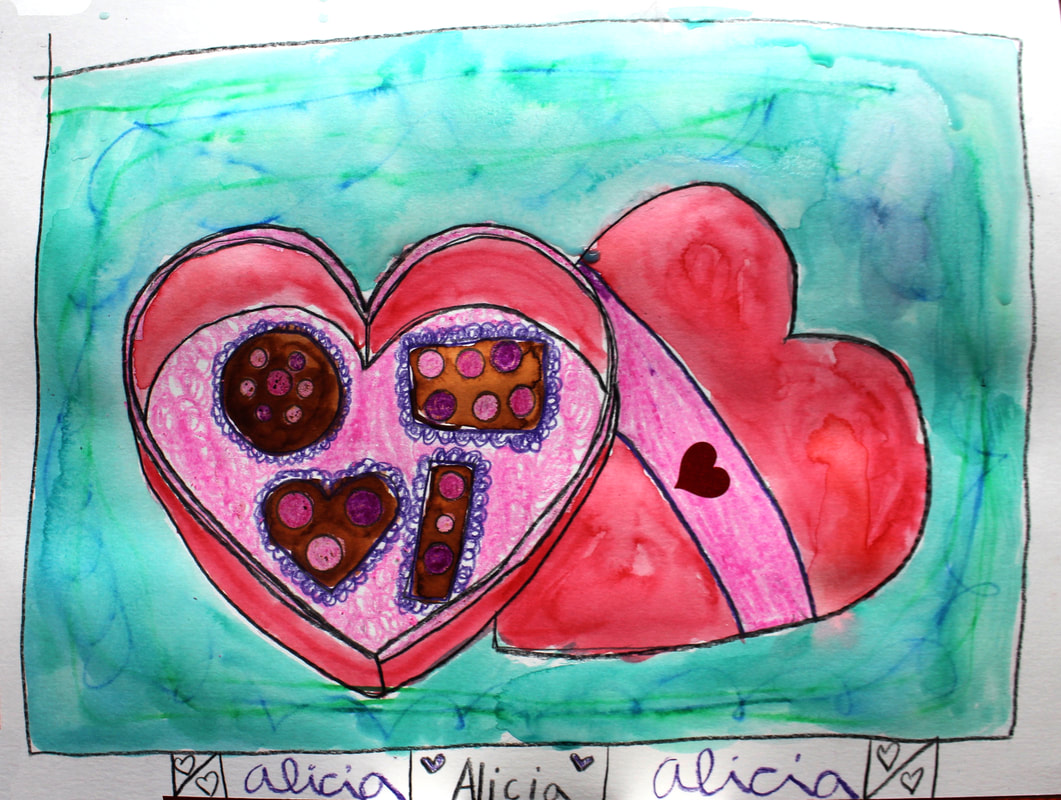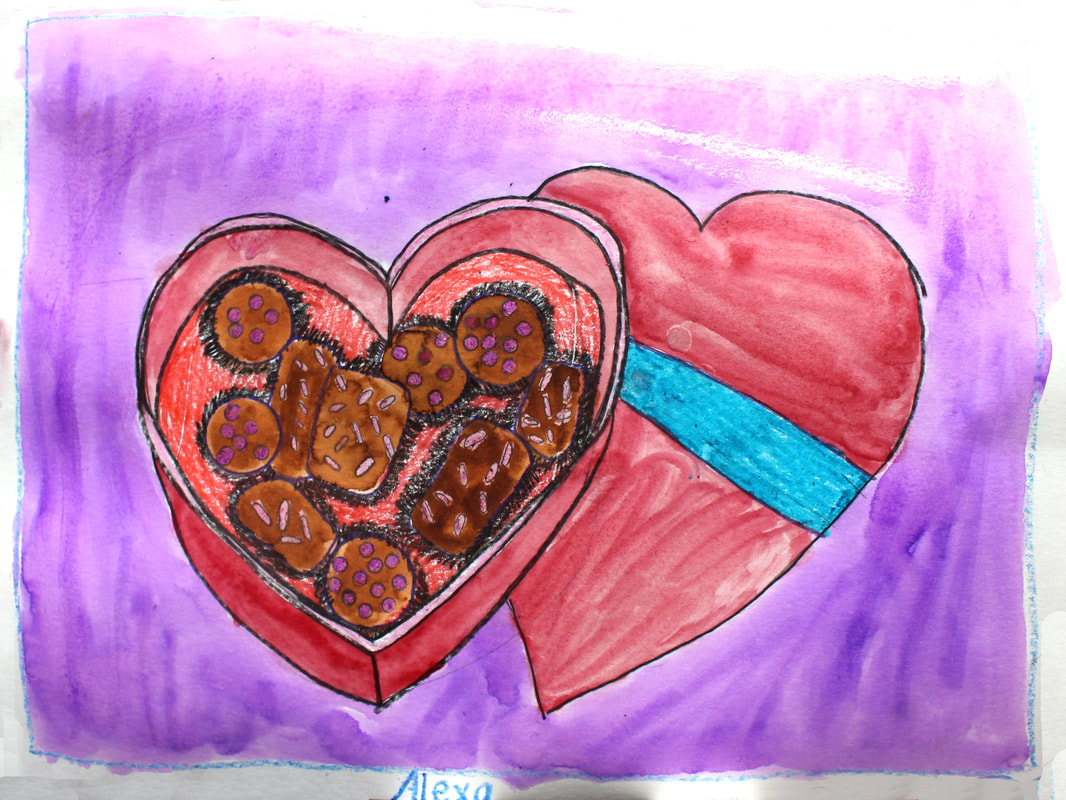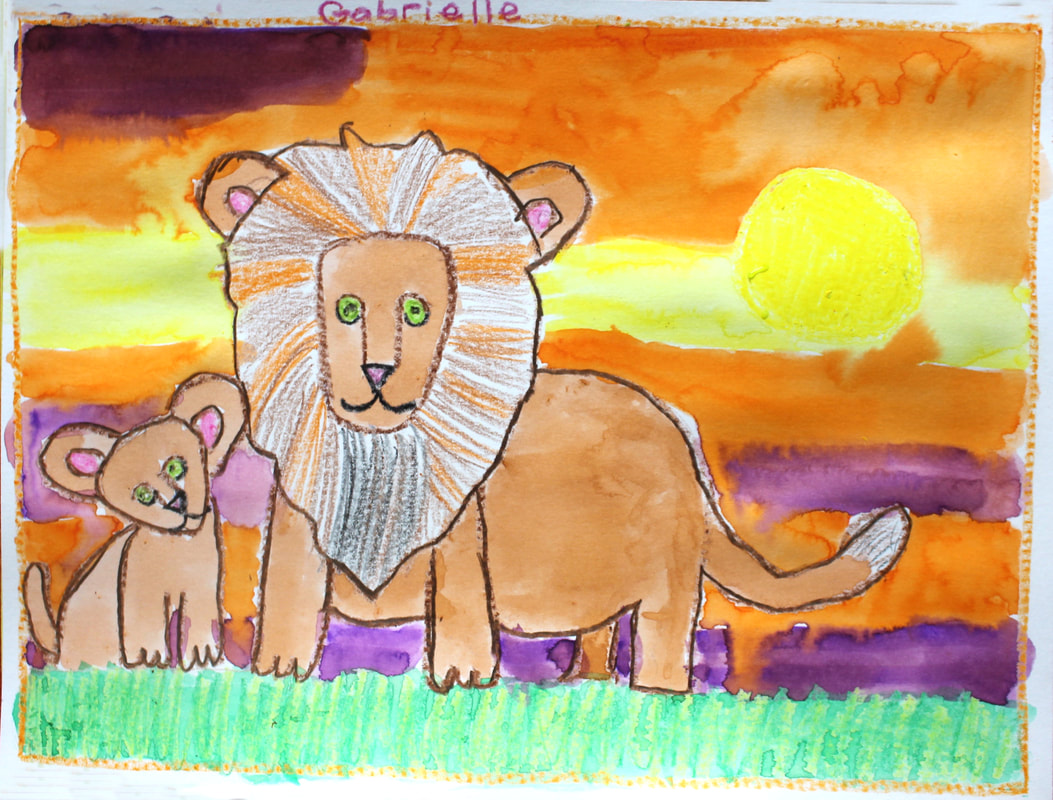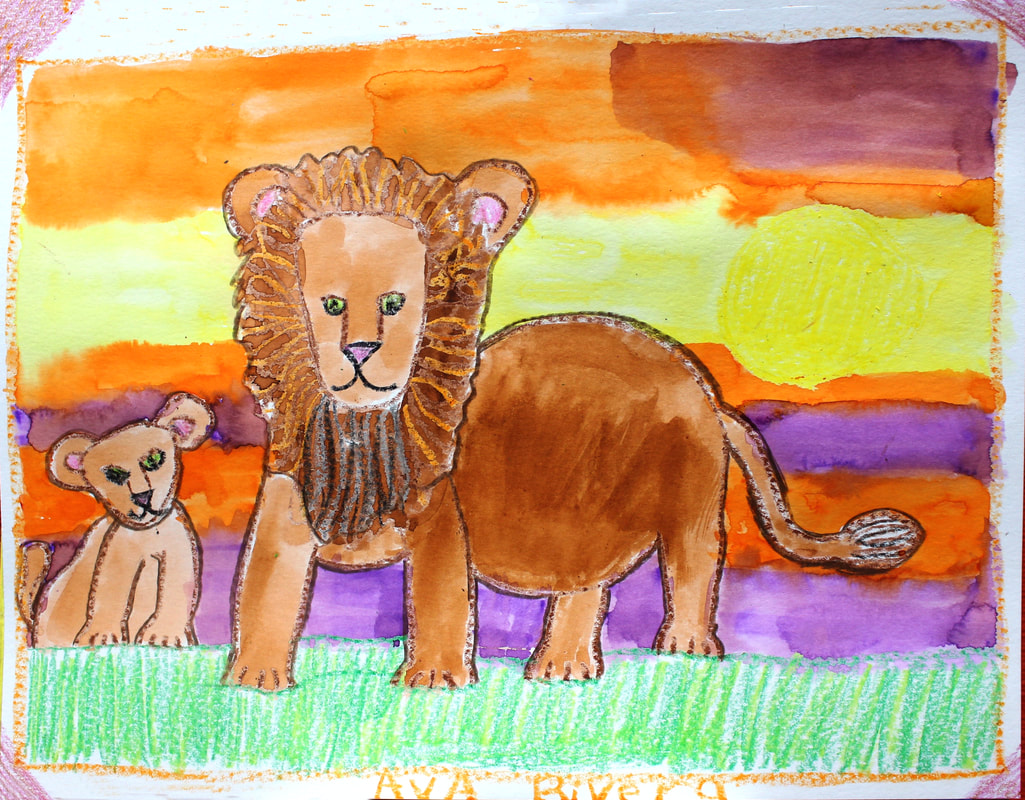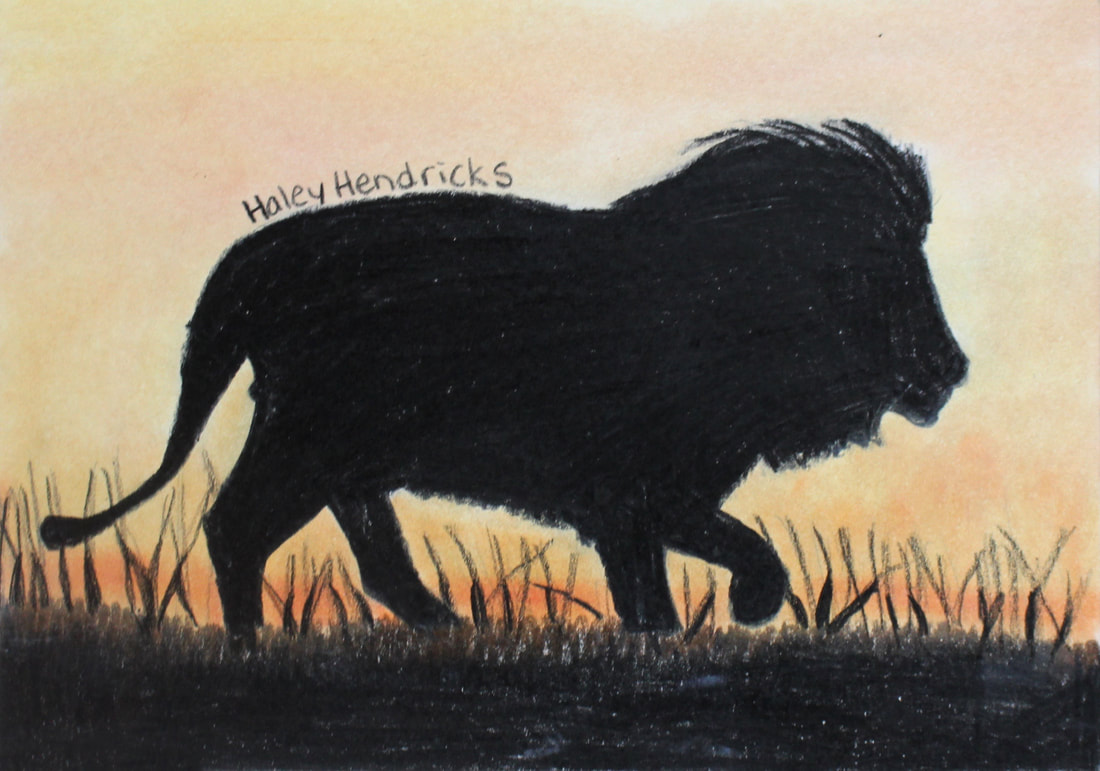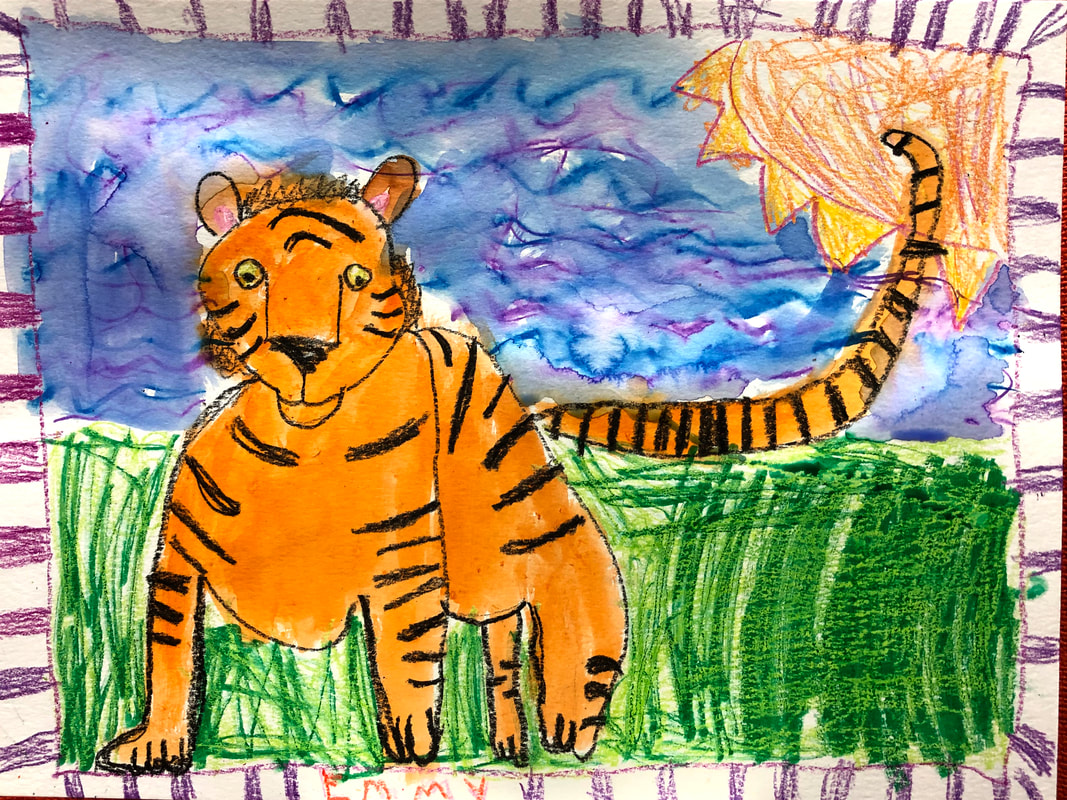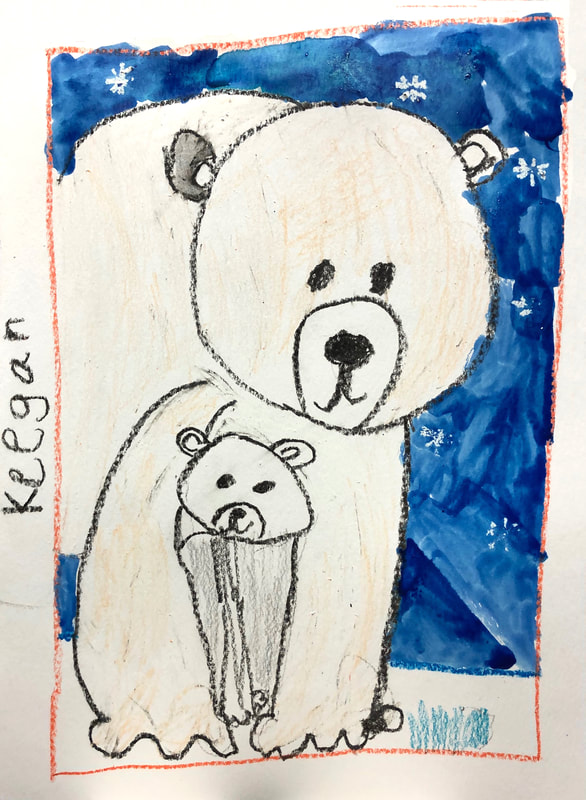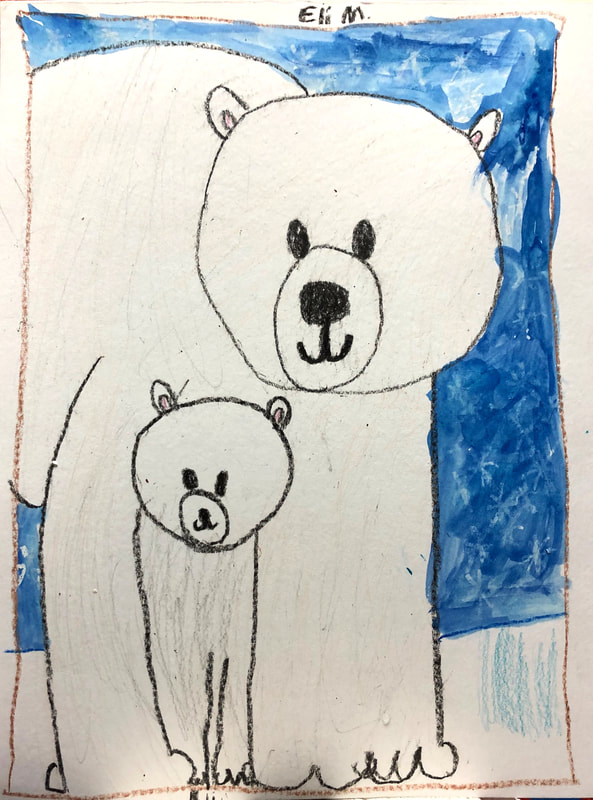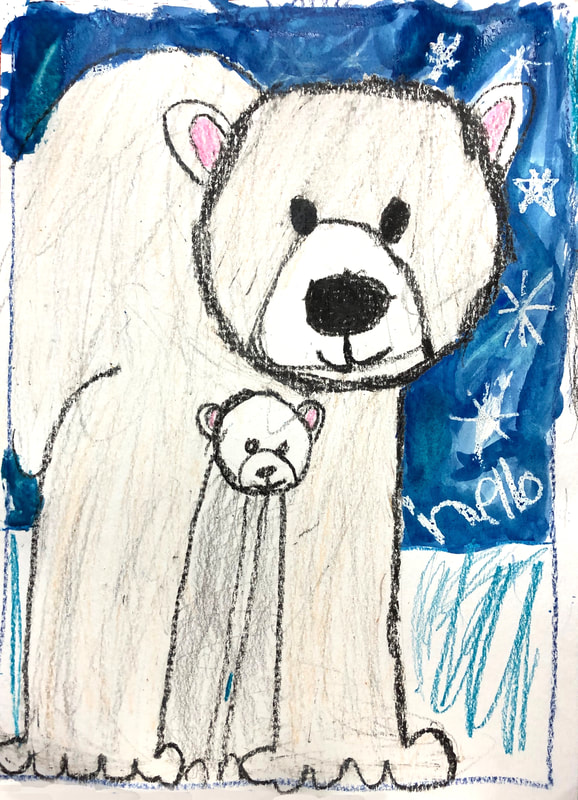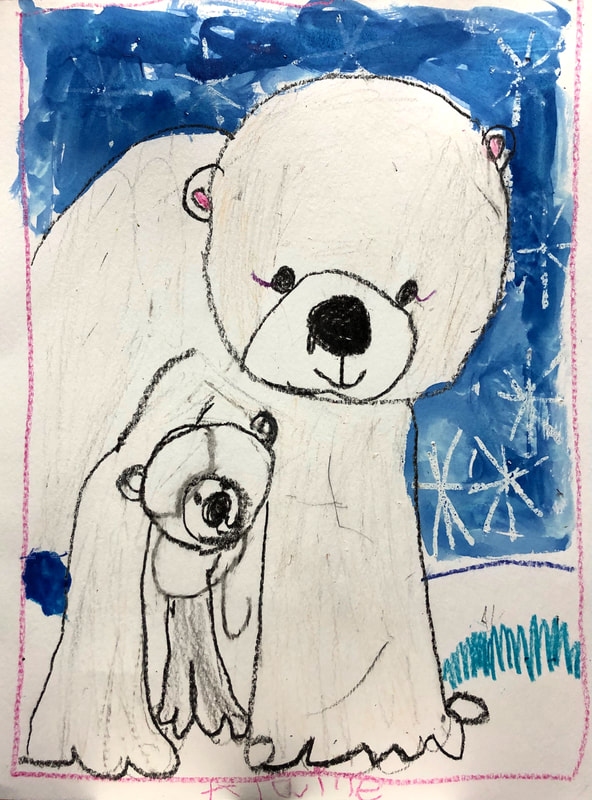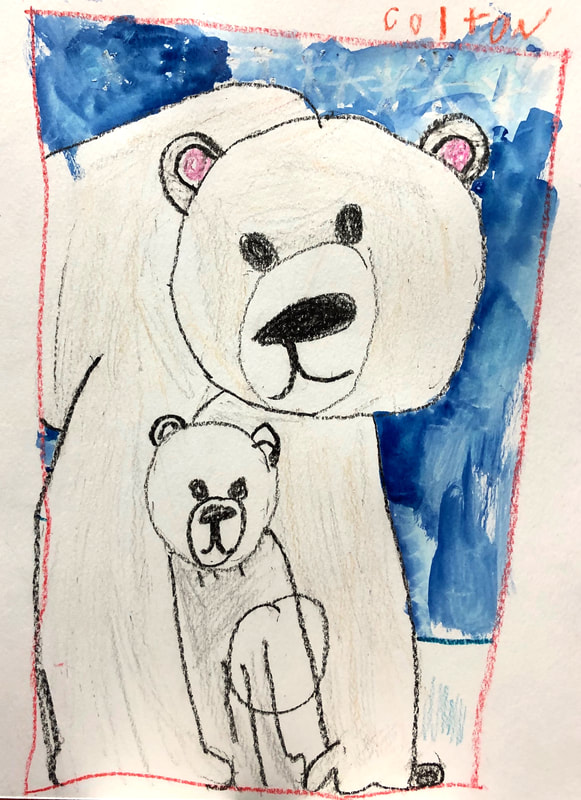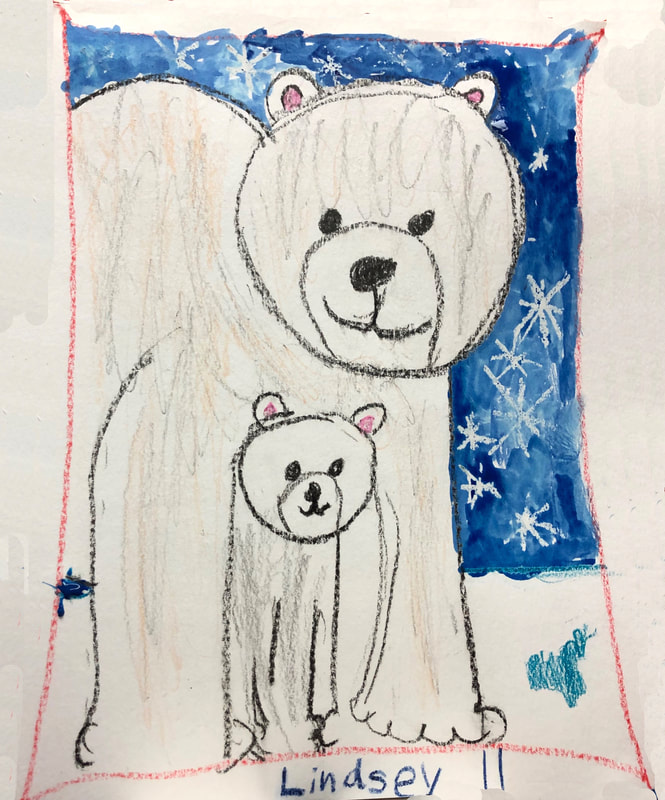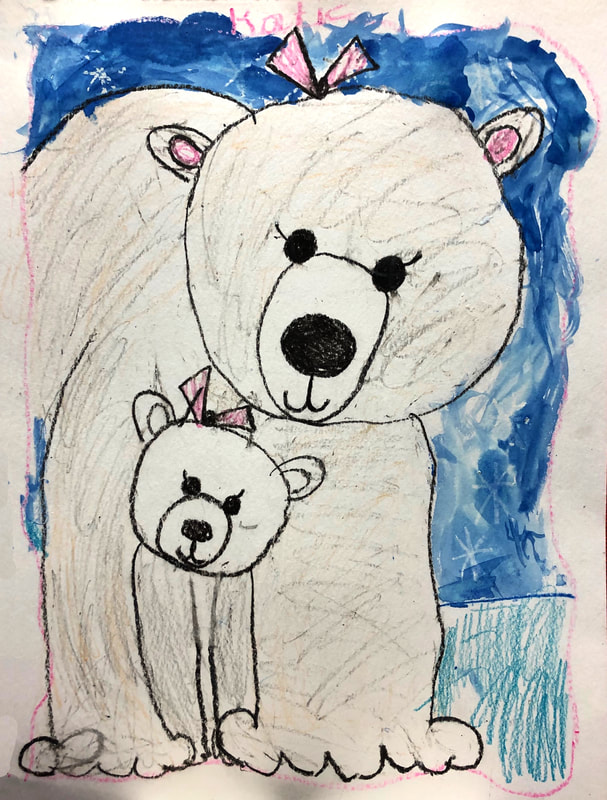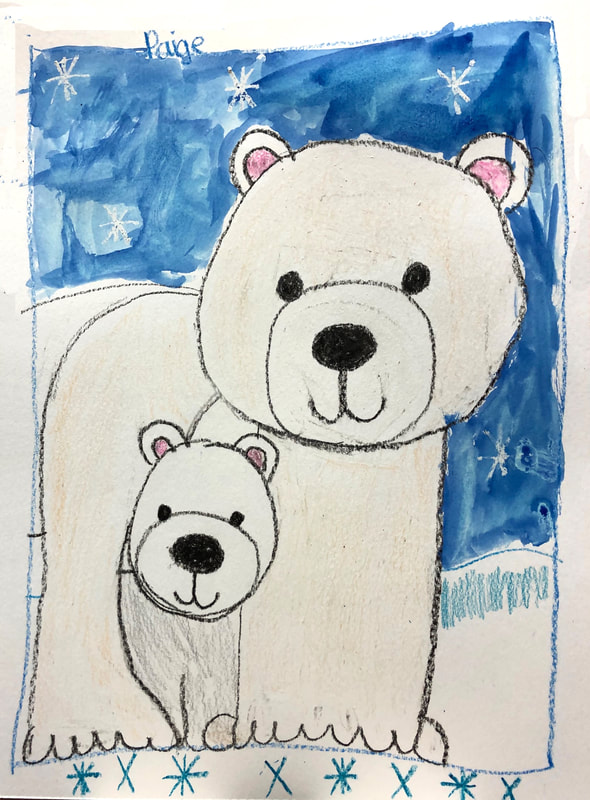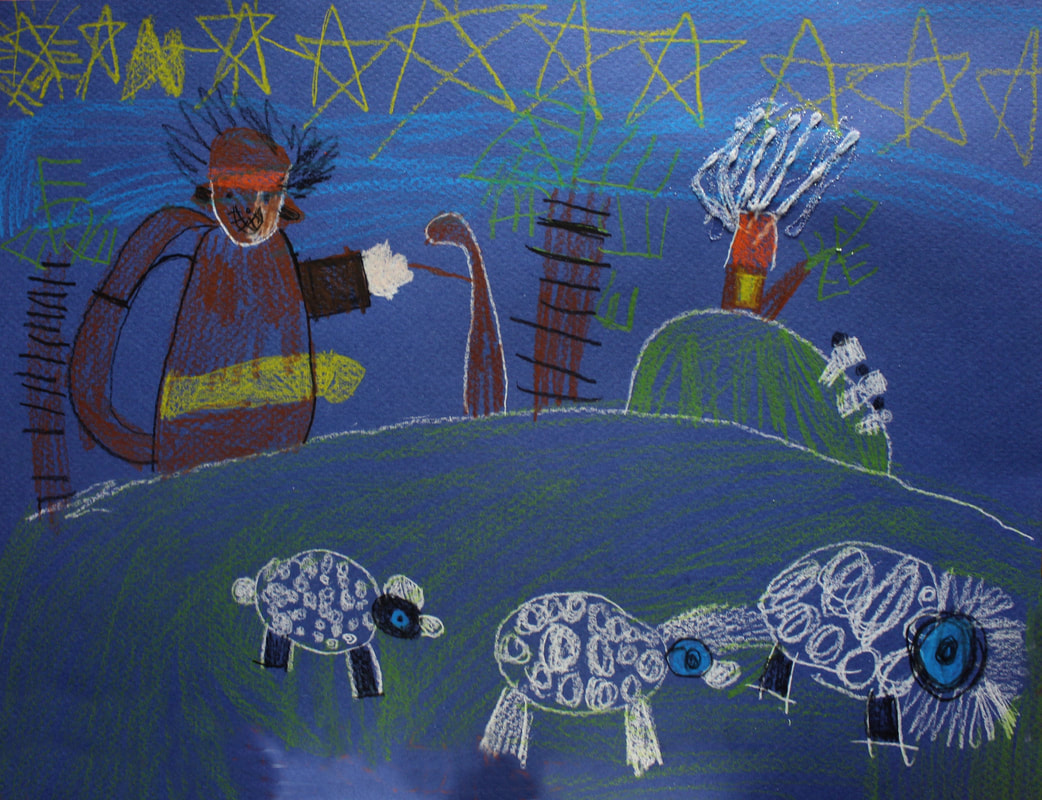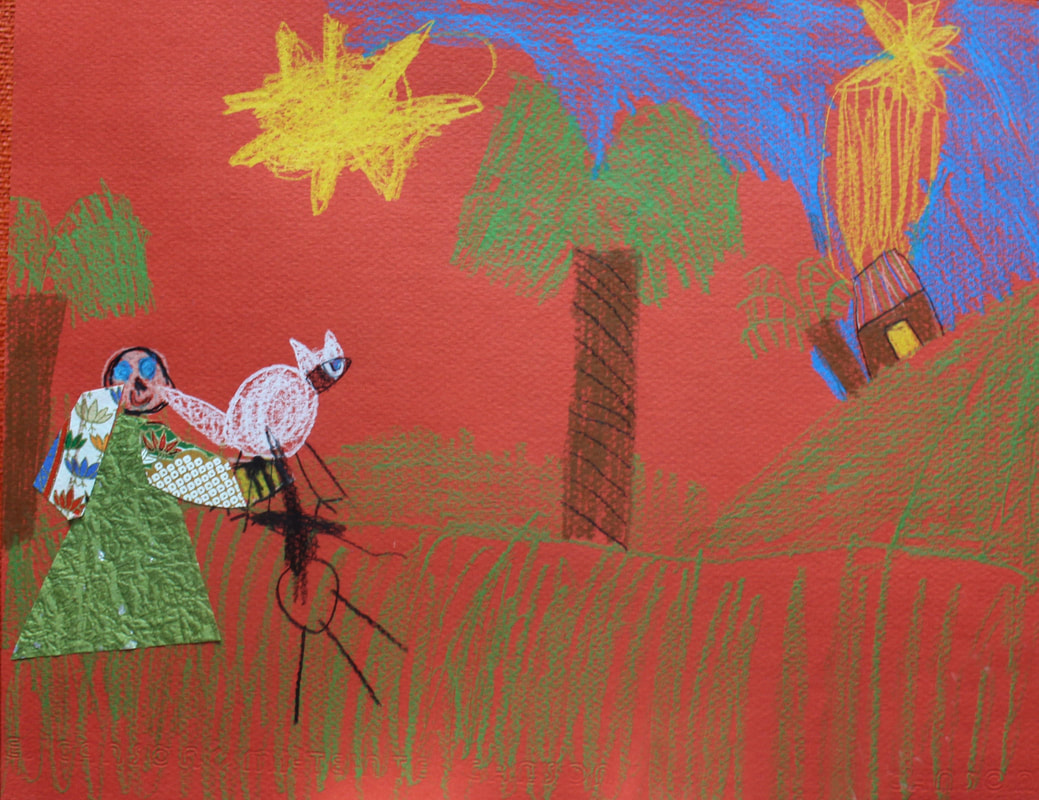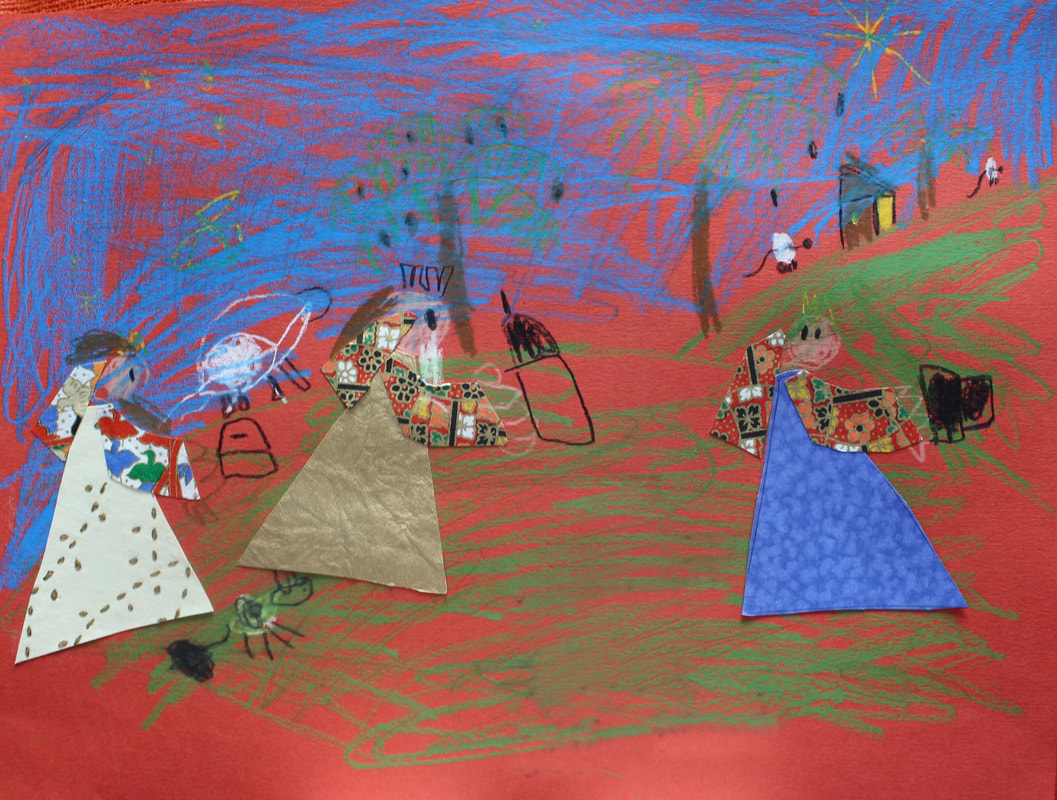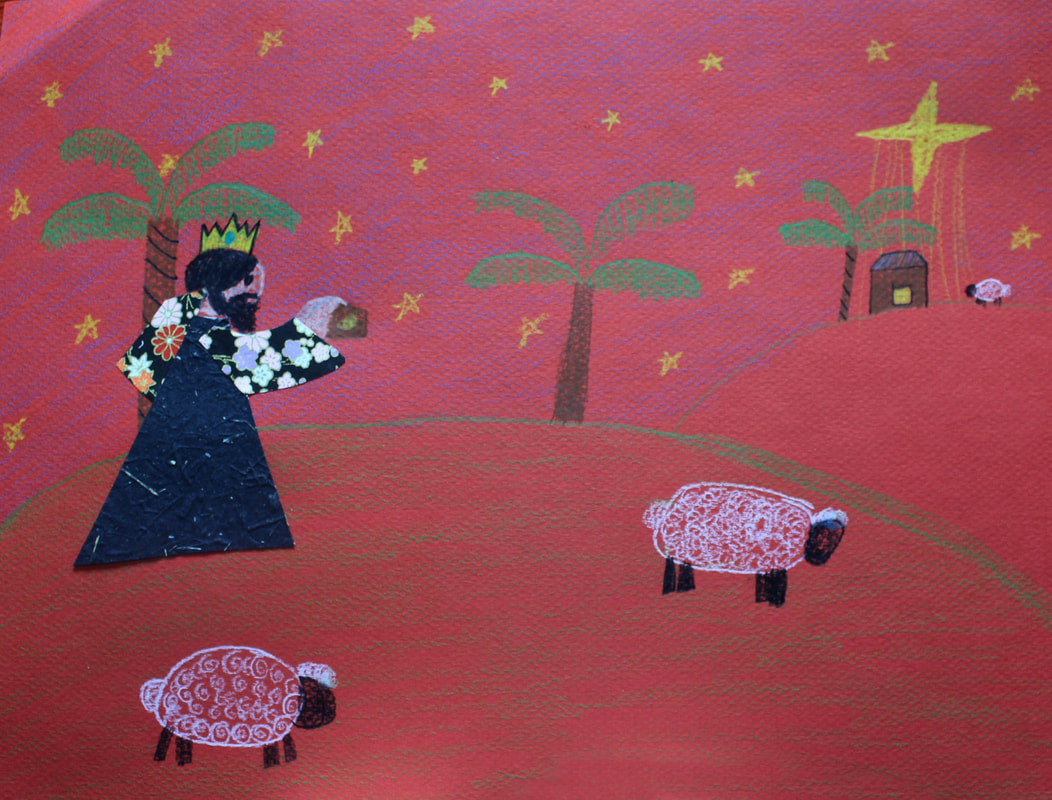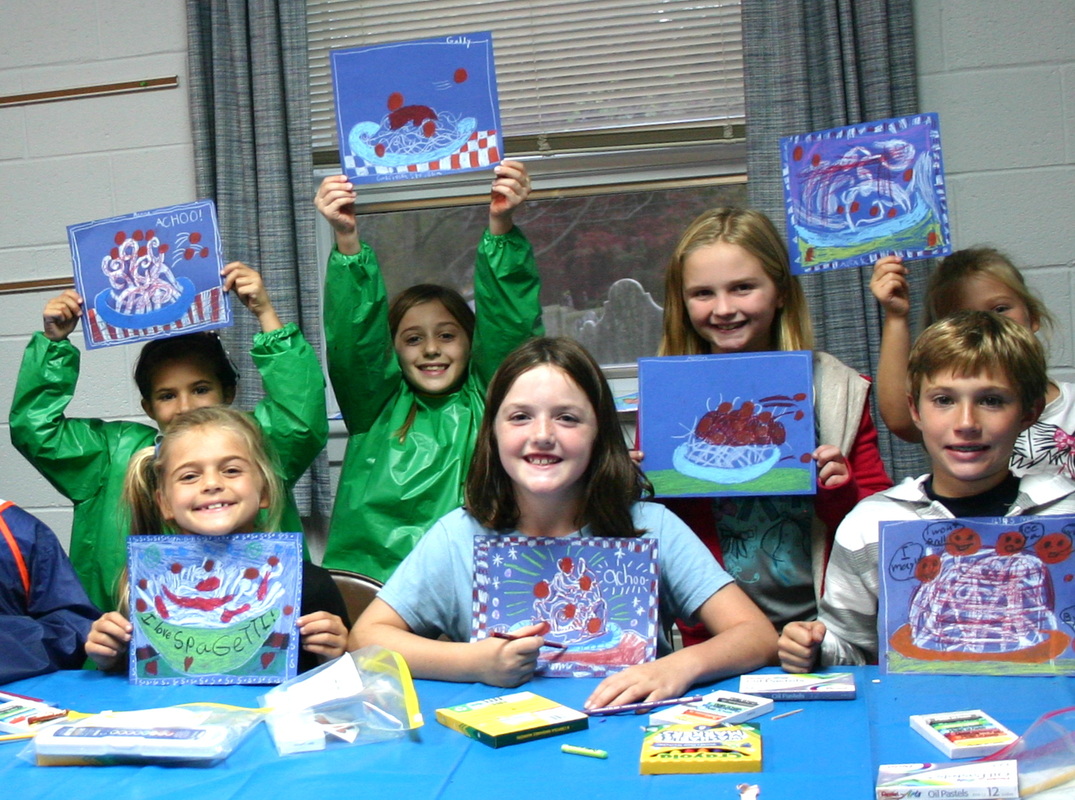
| My birthday was on February 17th. To celebrate, students in the K-1 class drew teddy bears with party hats and balloons, and they sang Happy Birthday to me! 💕 Later in the week, Grade 2-3 students created colorful birthday cakes. Before they started, I showed them a photo of my 8th birthday party. My mom had made a 3-layer cake- I thought it was the most beautiful cake I had ever seen. I showed the kids how to make cakes with 3 layers, but some drew 4. YUM! |
|
0 Comments
click on any image to enlarge it
An array of beautiful colored papers are available for my students' projects. These high quality "Mi-Teintes" papers (translated: half-shades) are made in France by the Canson company, and according to their website, this range of fine art paper "is specifically designed by French artisans to provide a supreme surface." The students love working on this paper, using colored pencils, gouache, and pastels. Mi-Teintes papers are a bit pricey, but they're worth the expense! click on any image to enlarge it
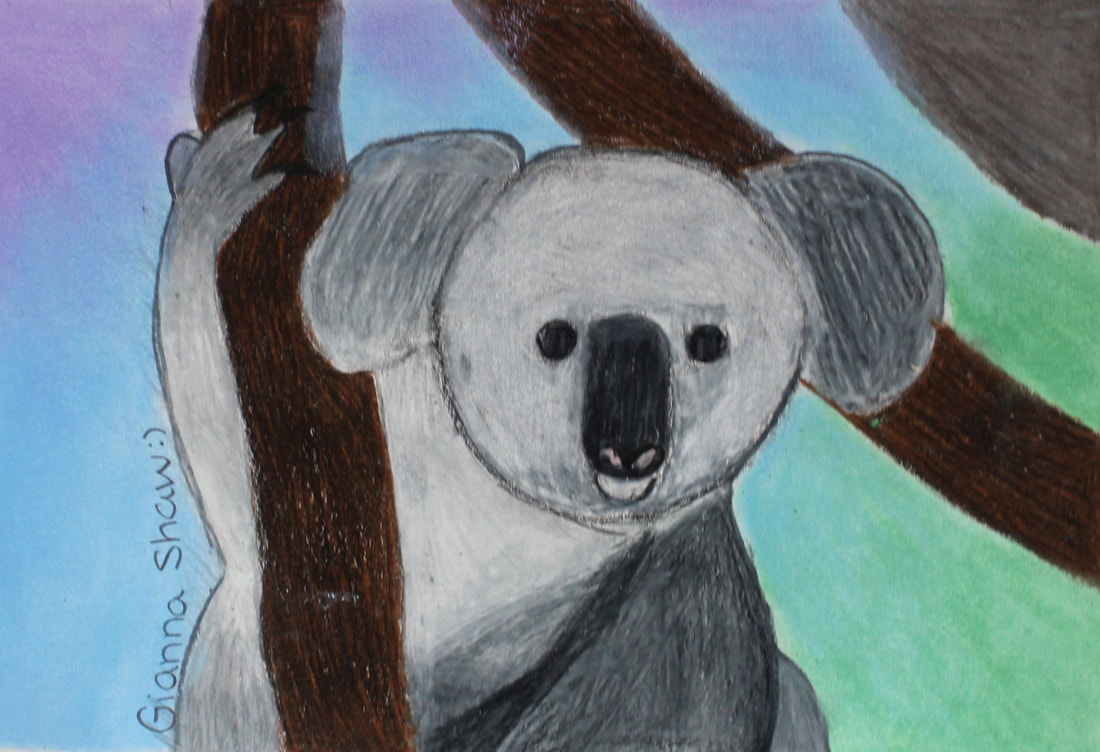
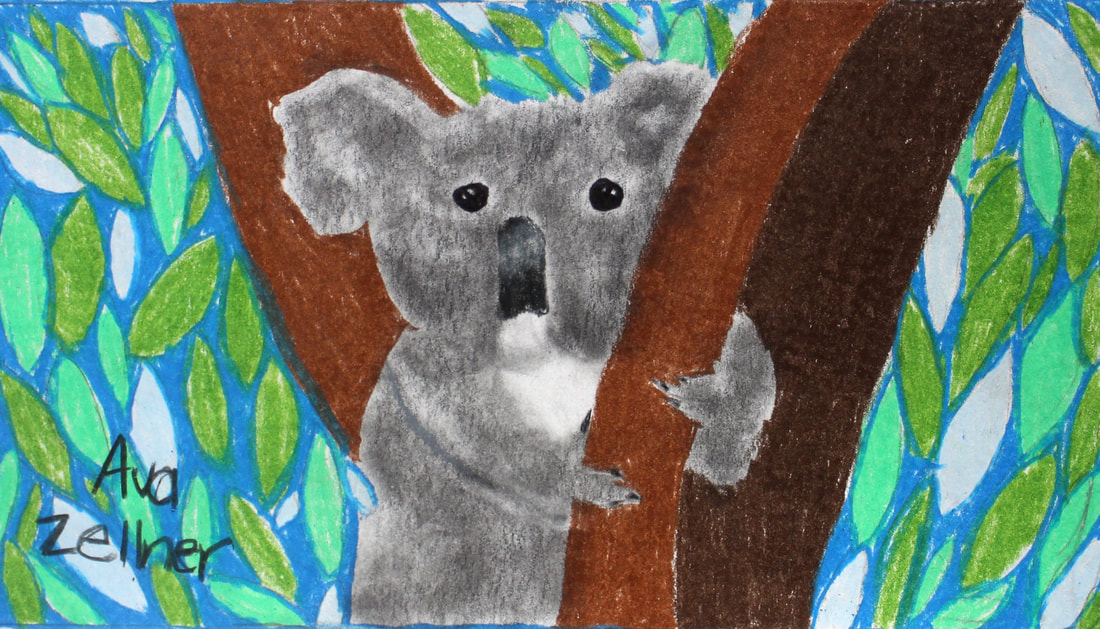
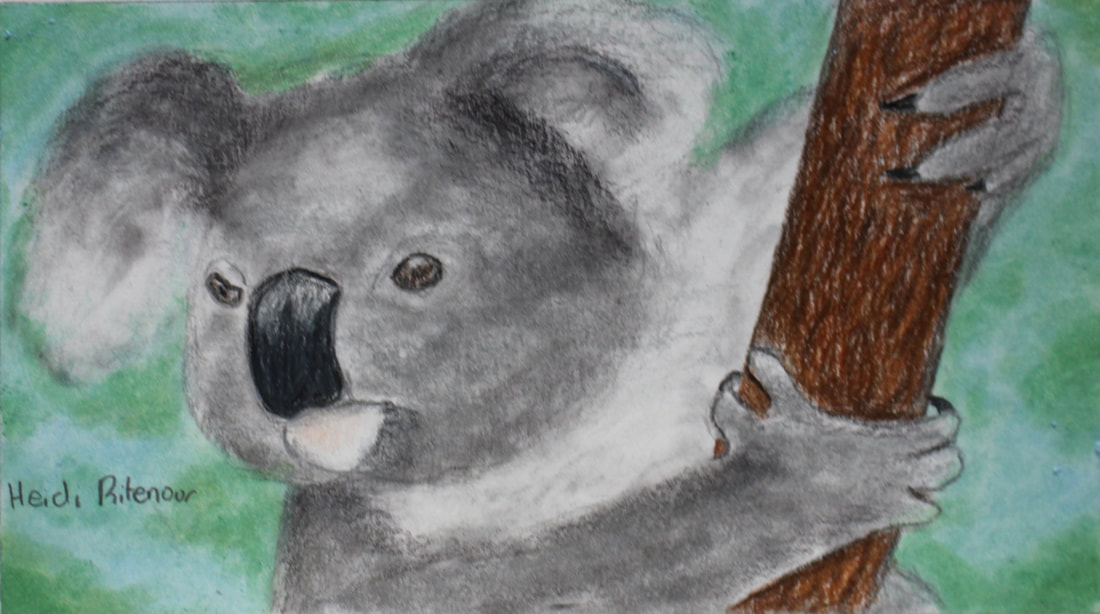
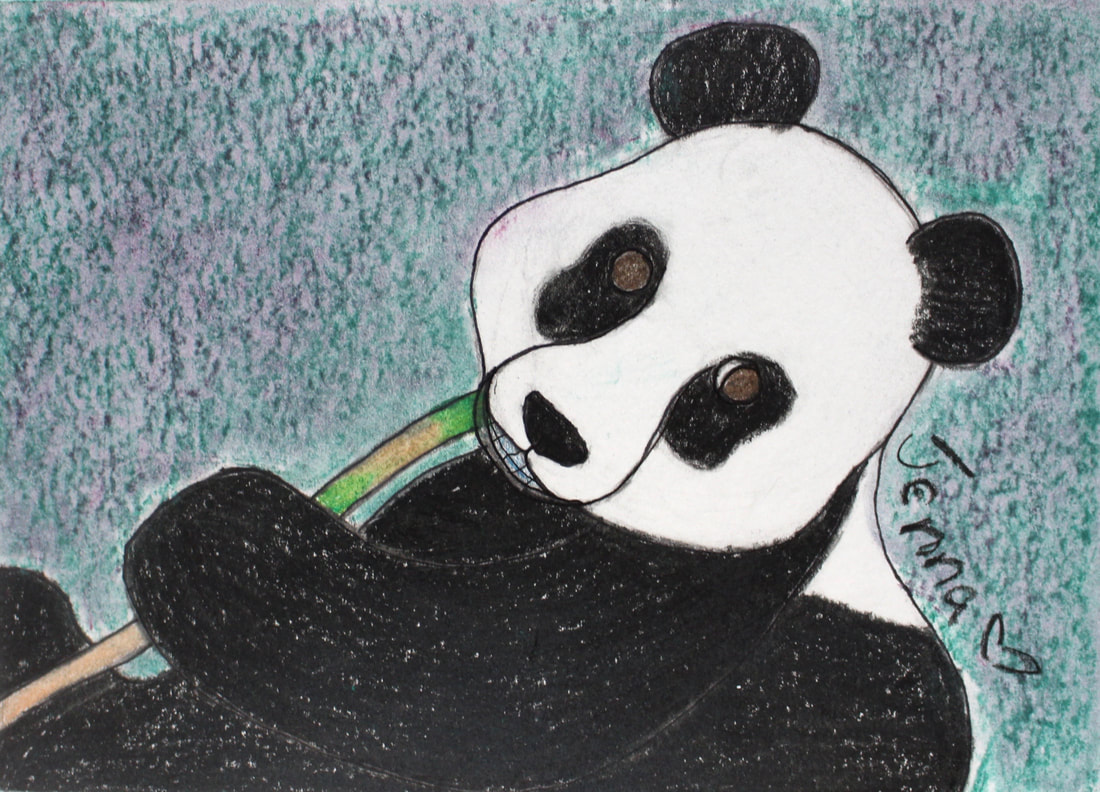
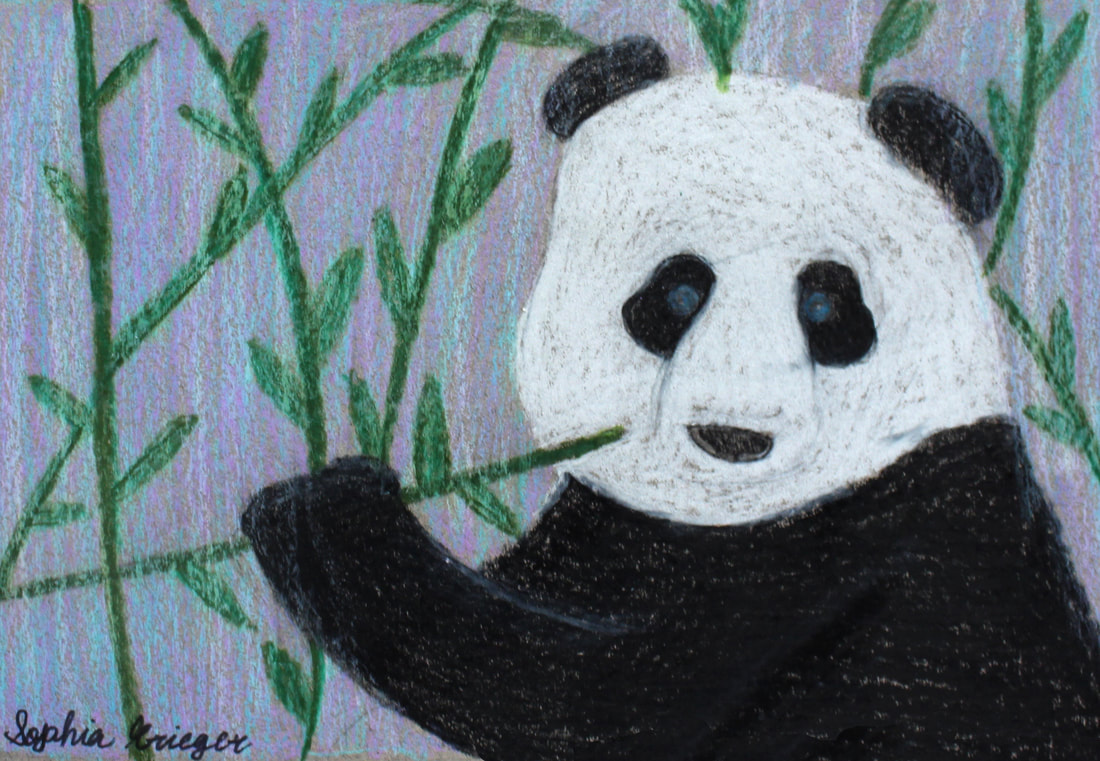
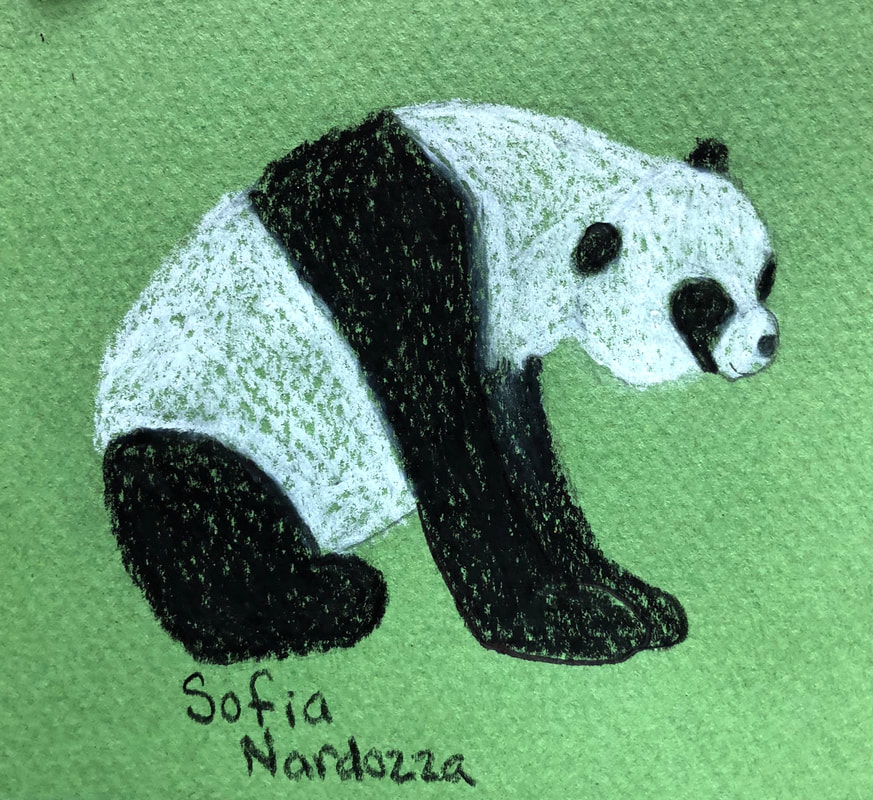
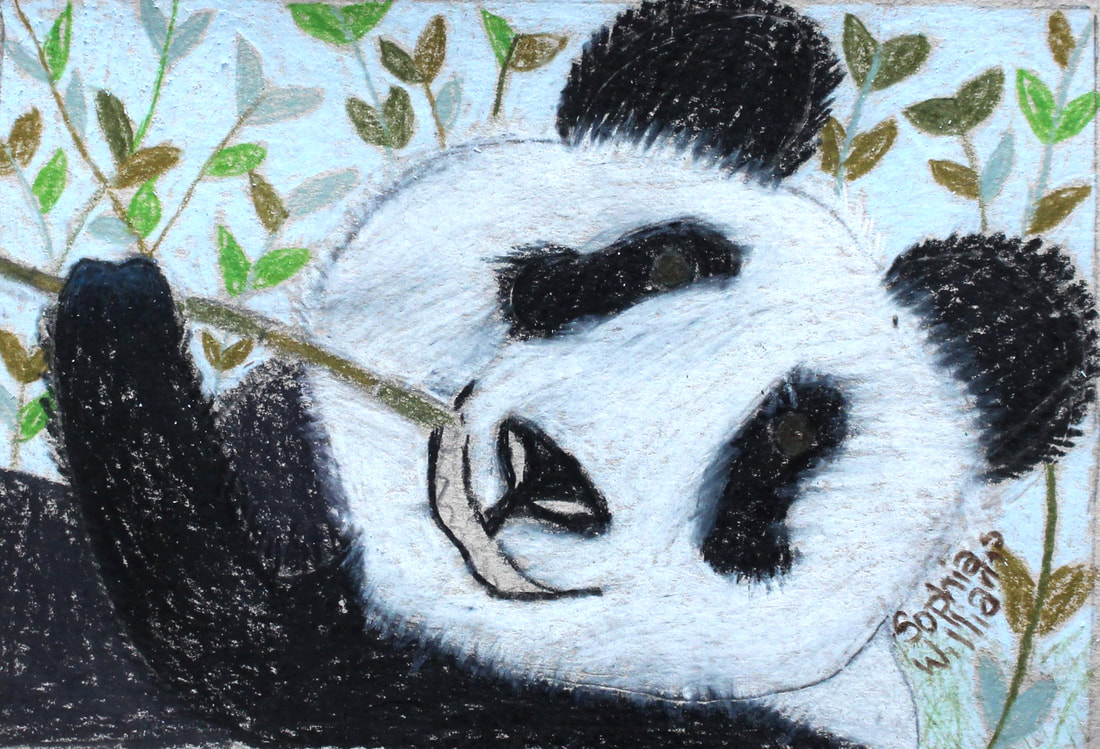
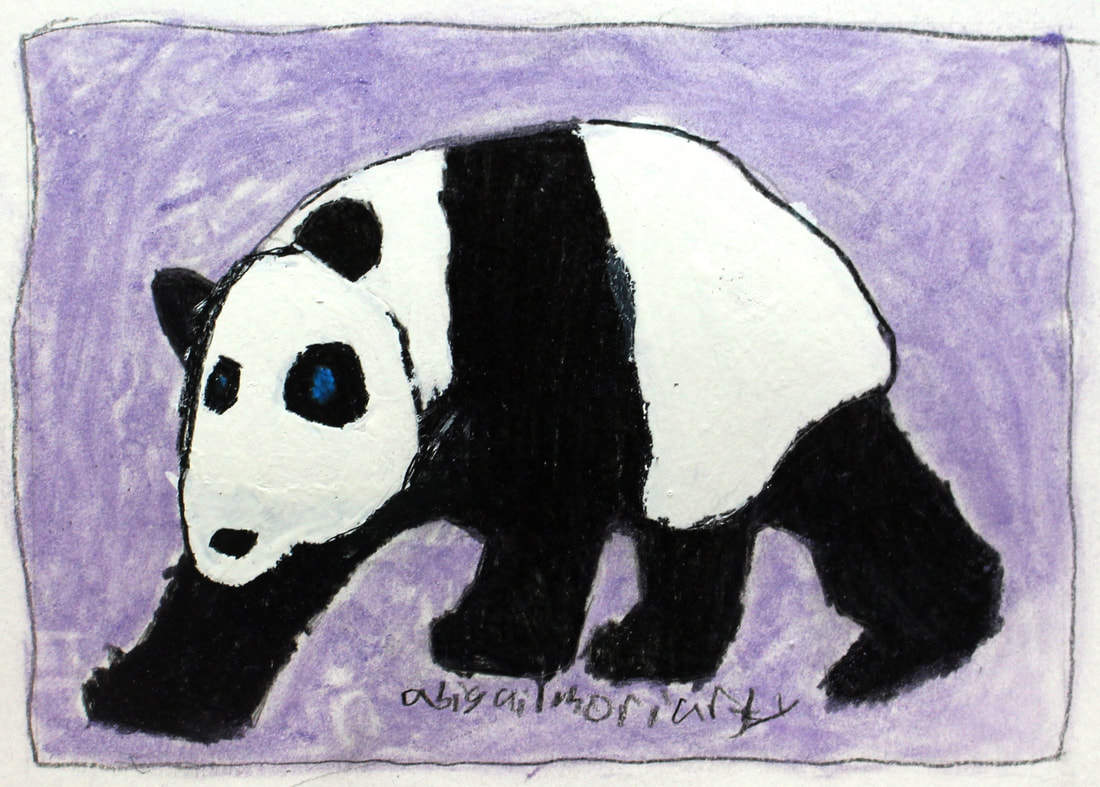
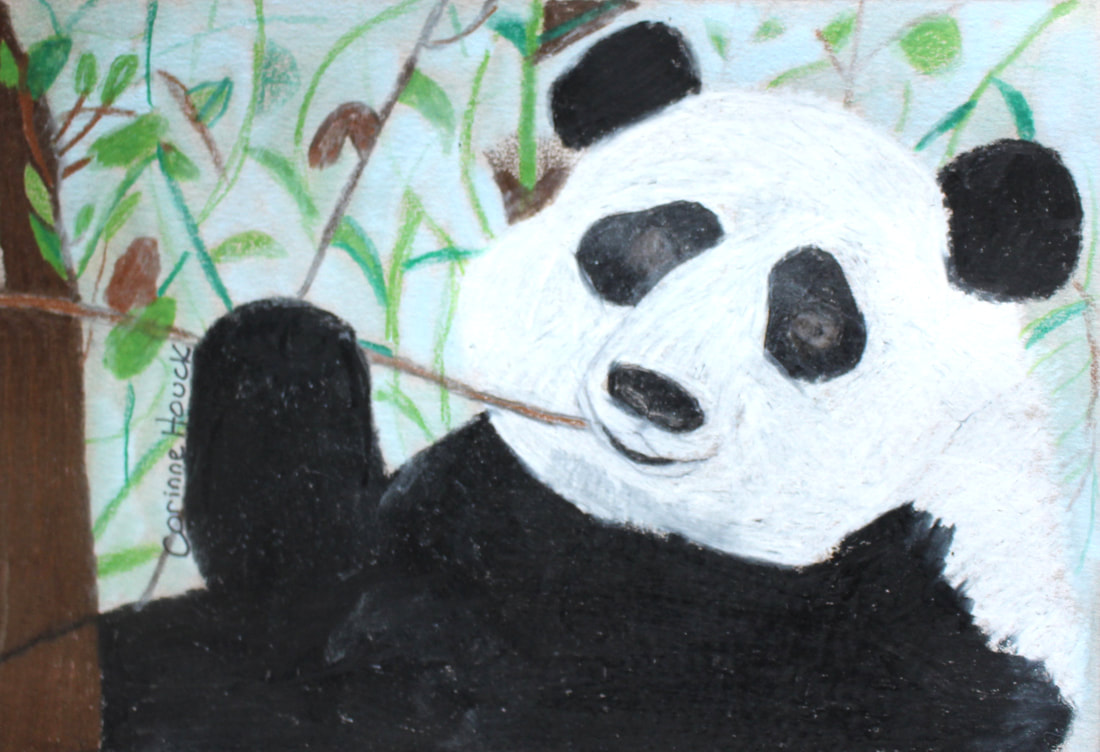
There's a new project each week for my youngest students. Often I give them a tiny "subject" picture to help them visualize what we will draw. For the first class of the winter 2025 session, the grade K-1 students drew and painted panda bears. These are the panda masterpieces they created on February 18th. 🐼❤️ click on any image to enlarge it
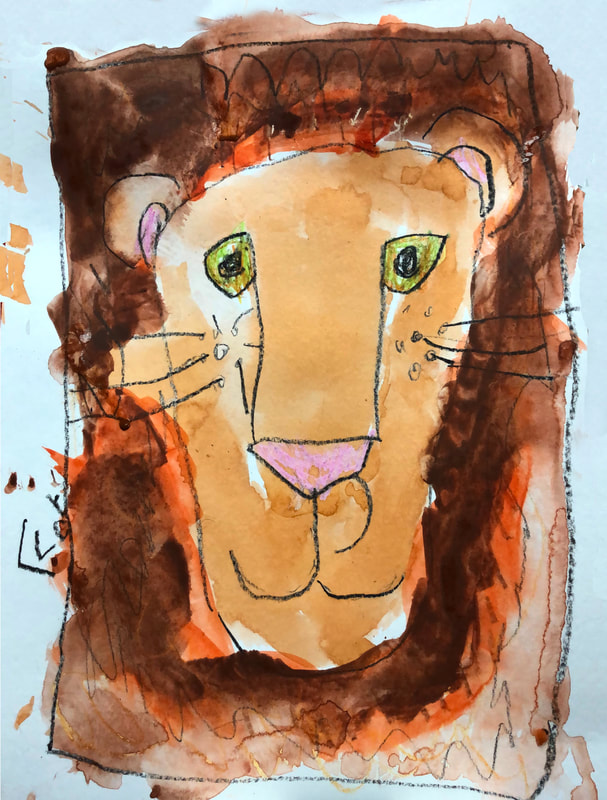
click on any image to enlarge it My favorite knockers were grotesque devil and demon heads... I found that many of the knockers featured lion heads. Lions symbolize strength and power. What better animal to guard an Italian entryway?
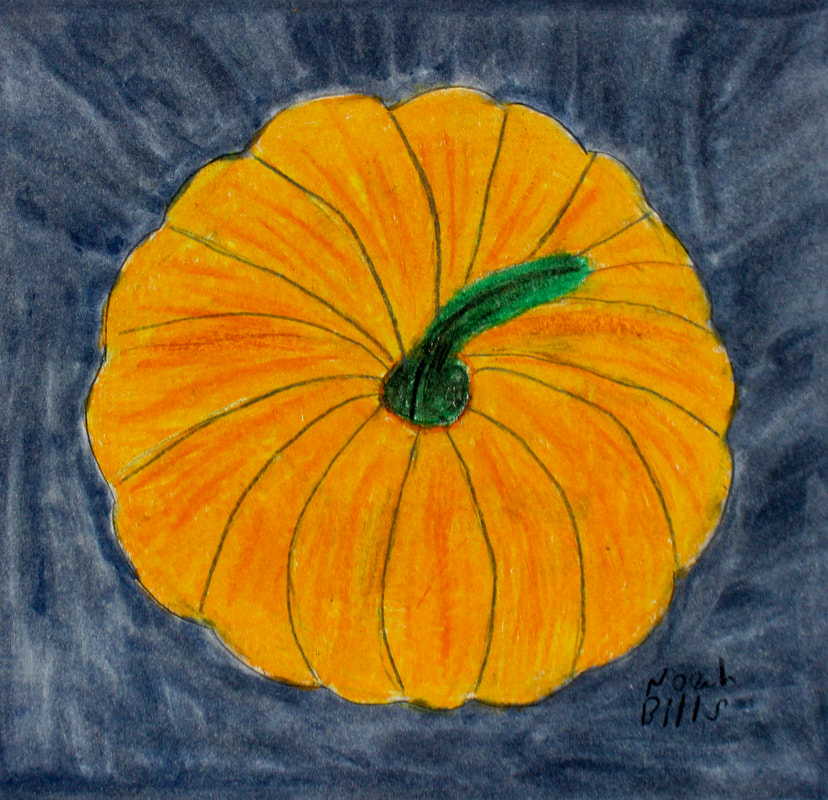
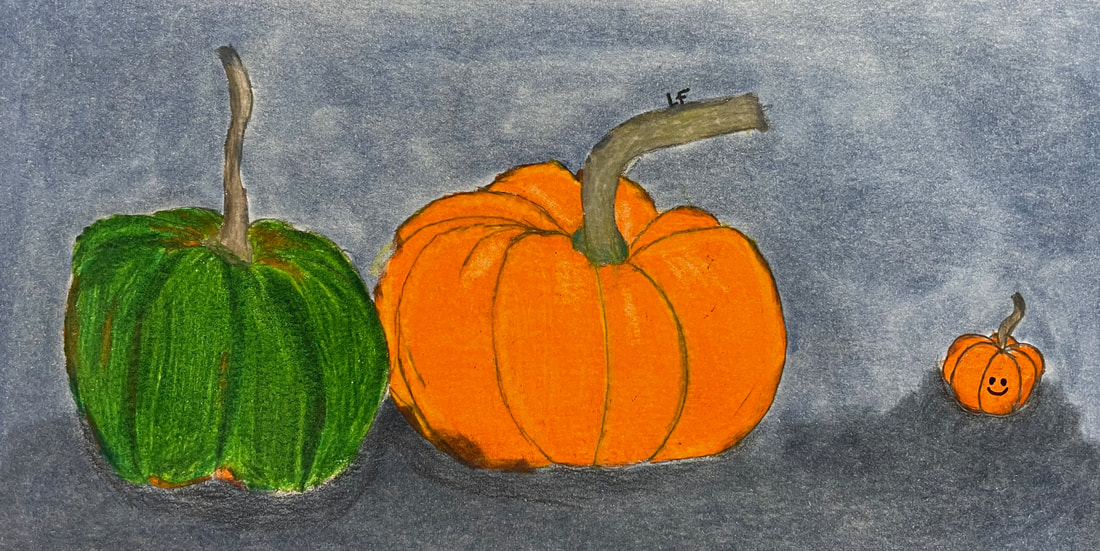
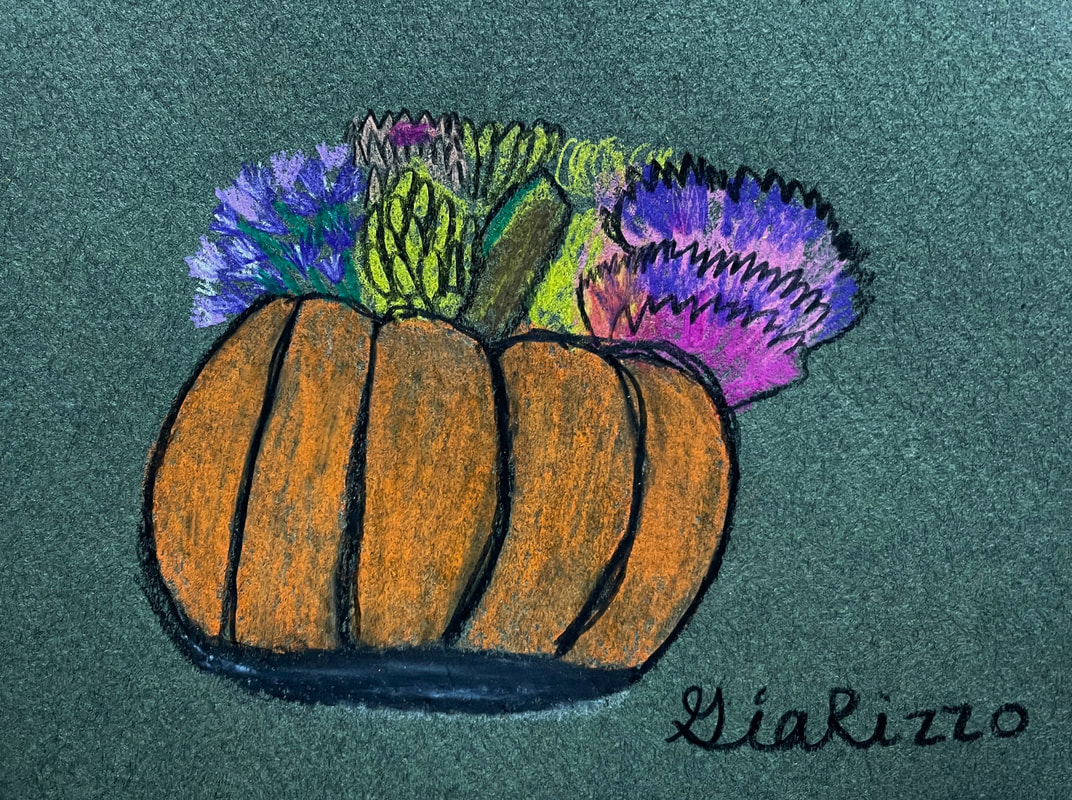
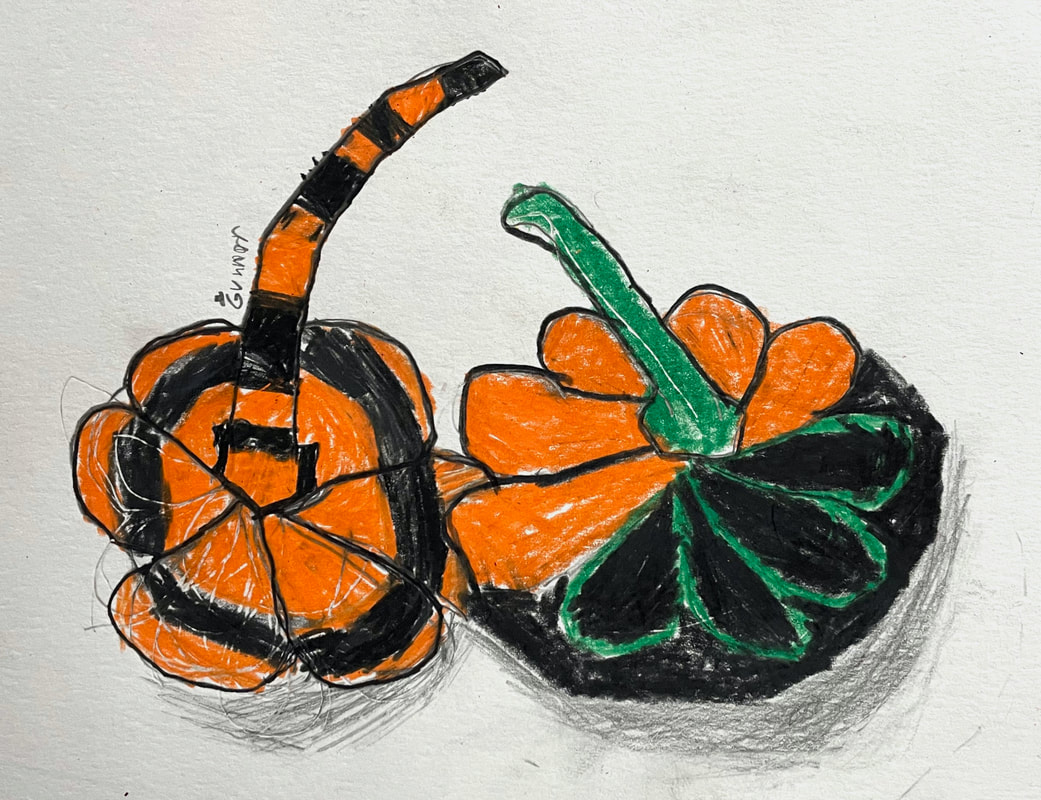
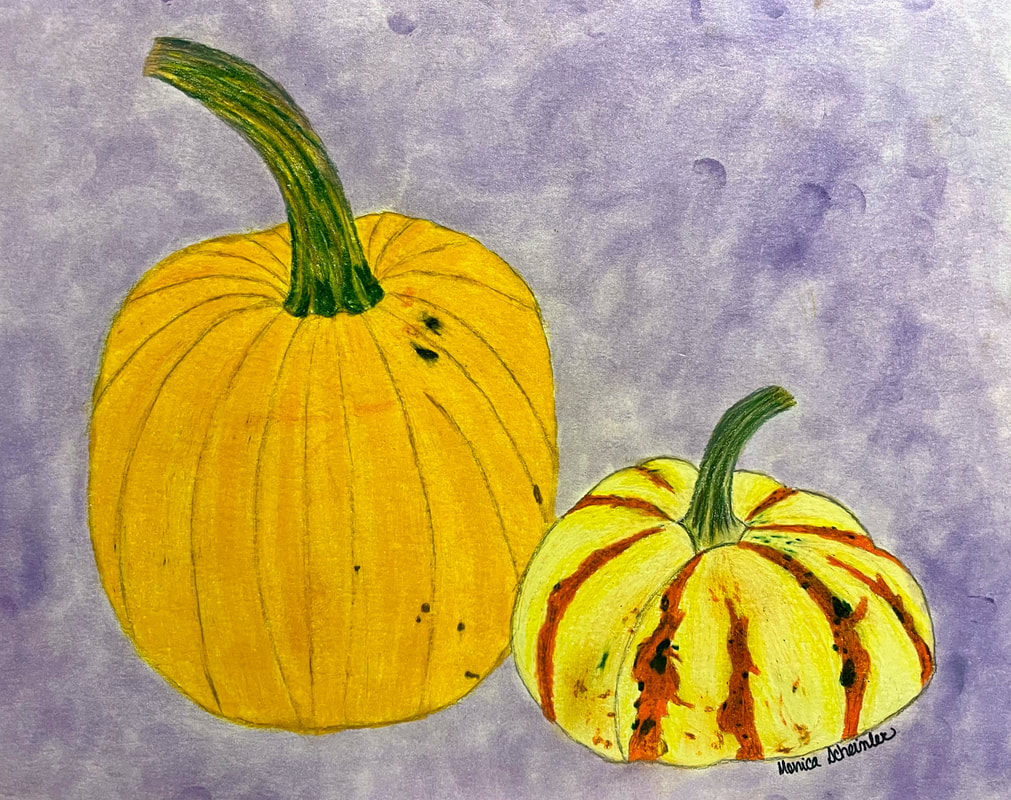
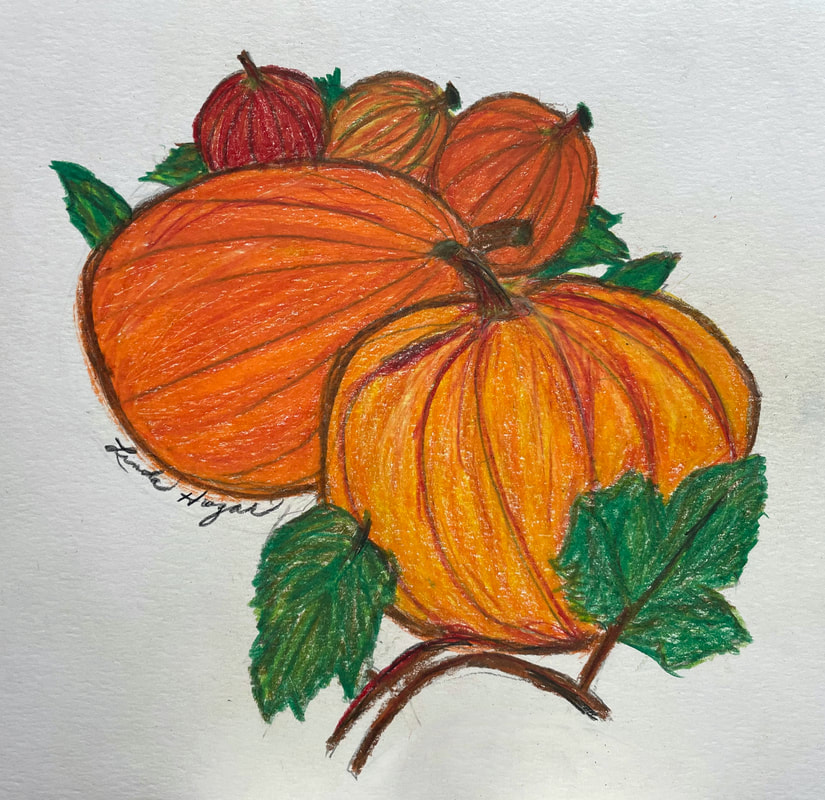
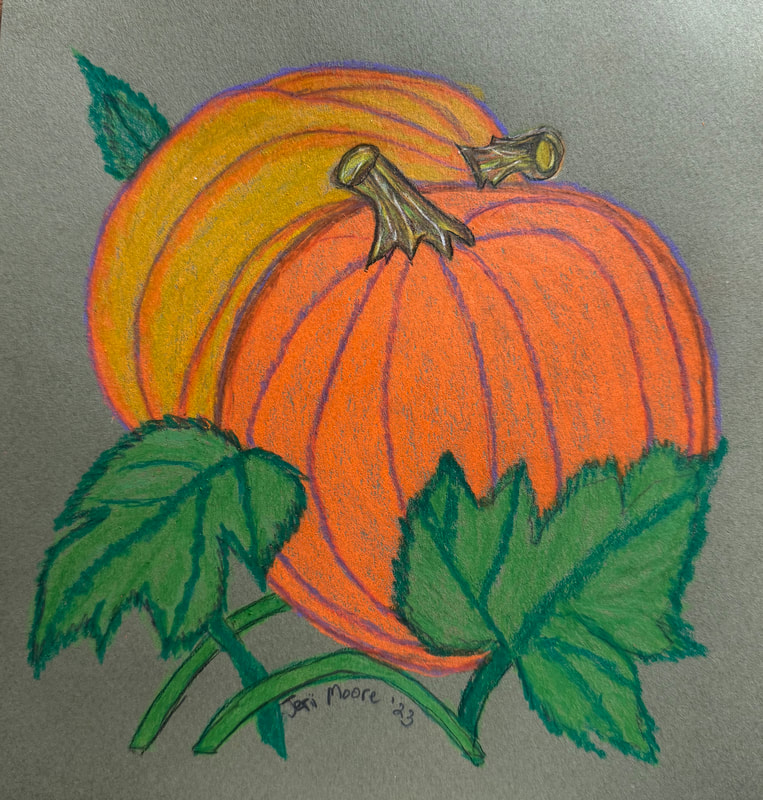
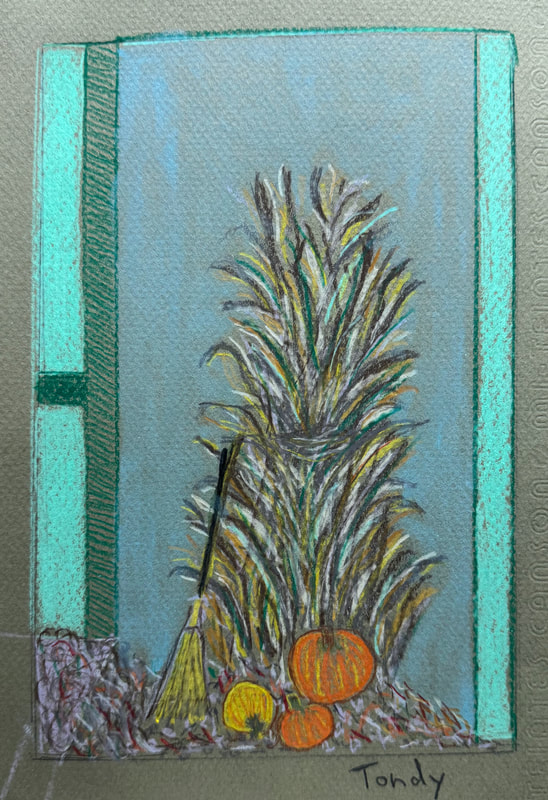
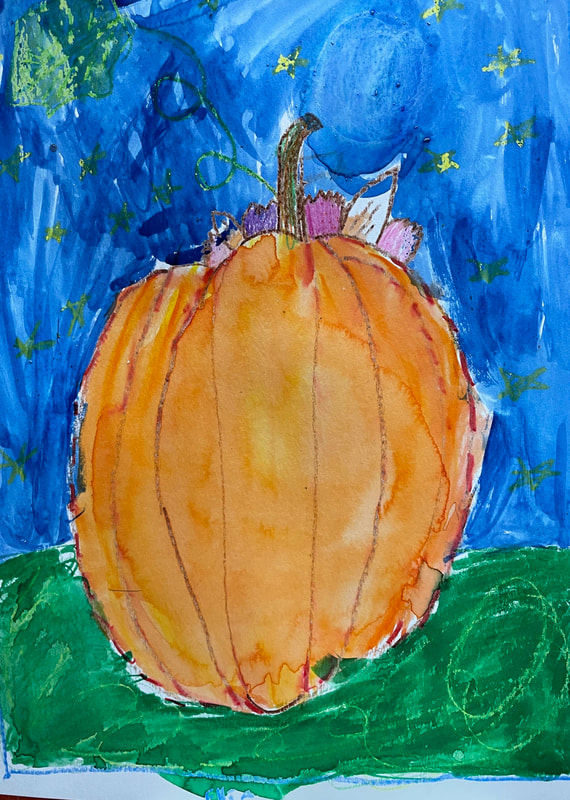
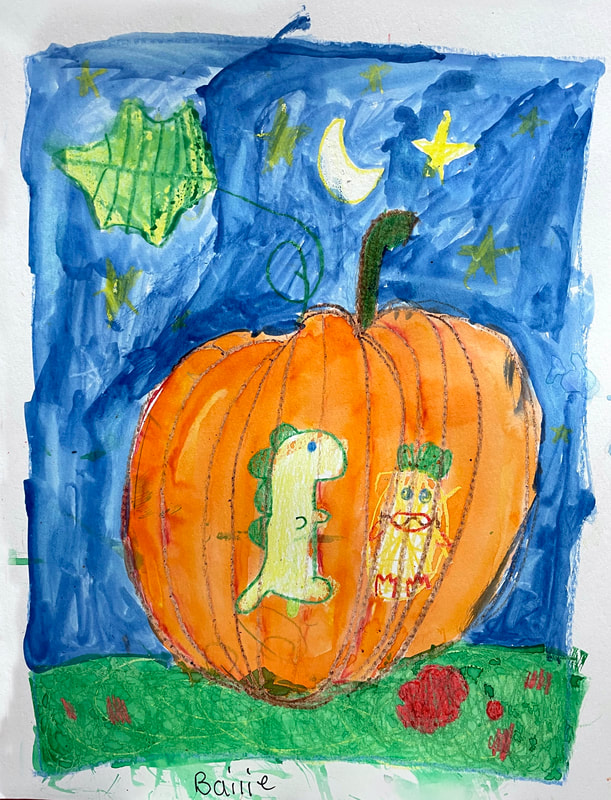
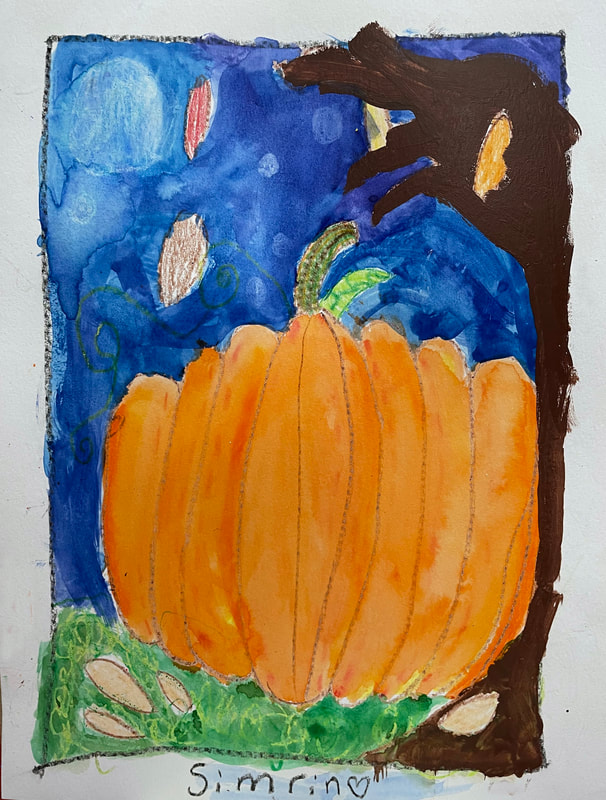
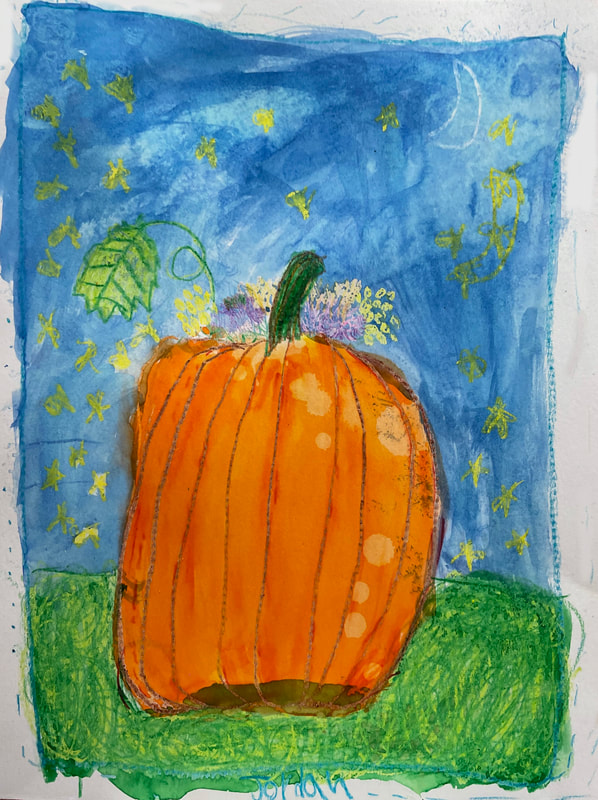
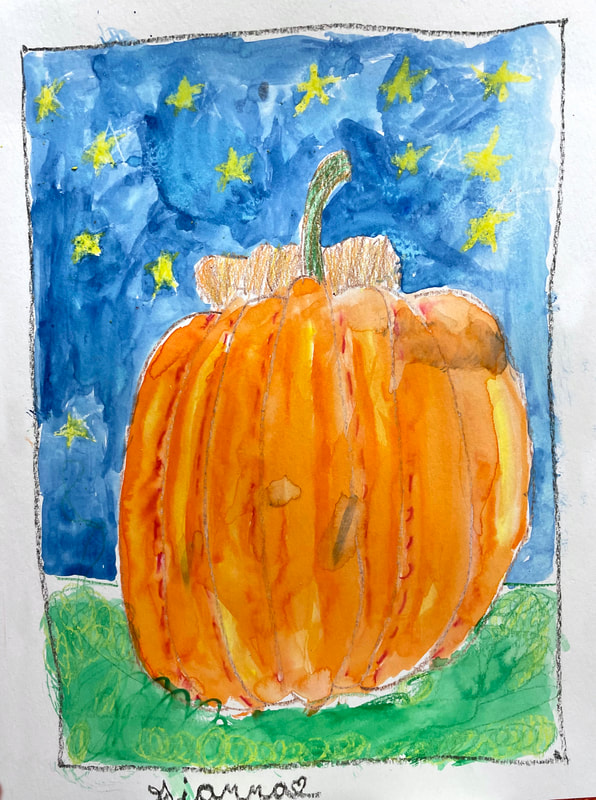
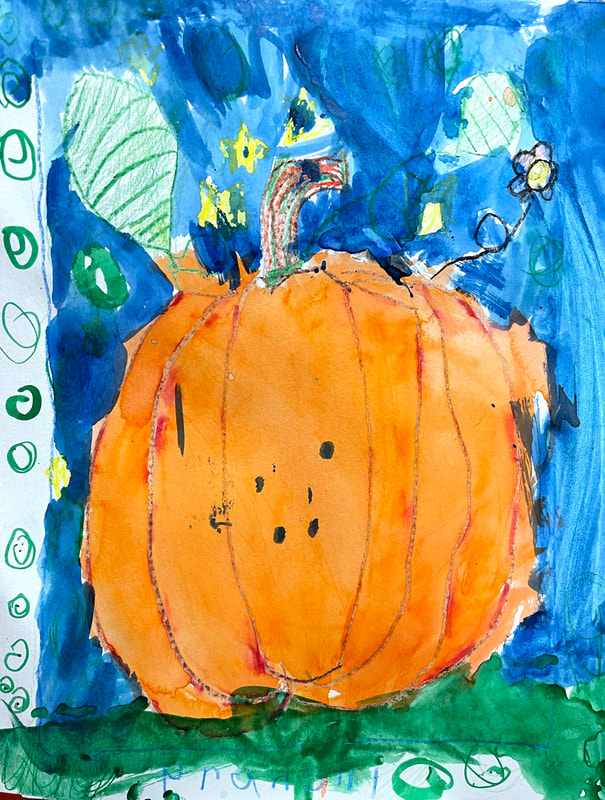
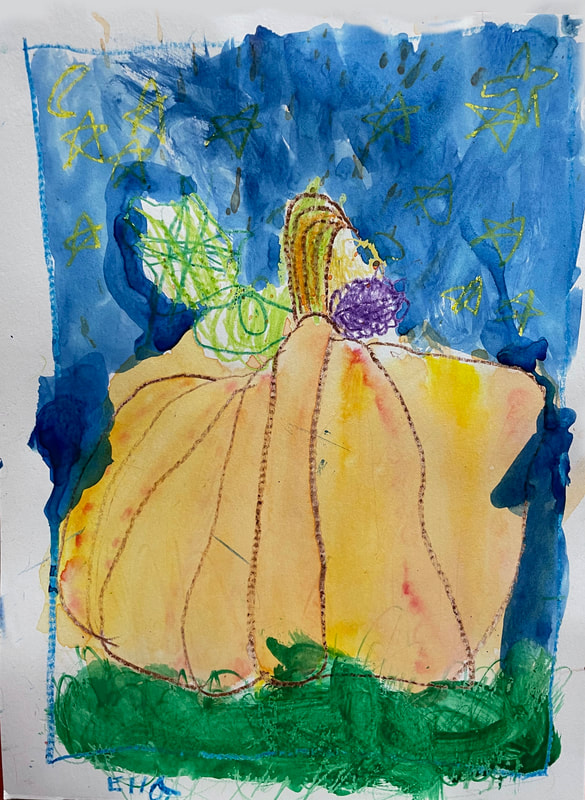
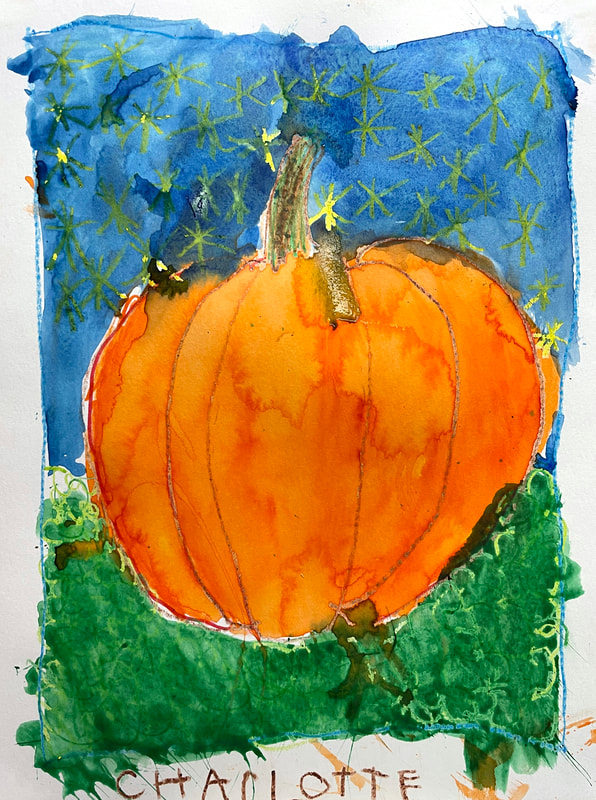
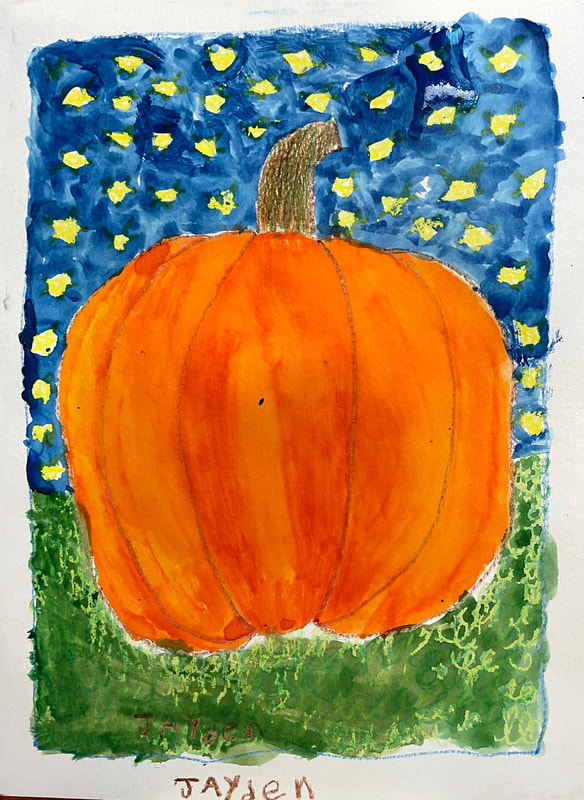
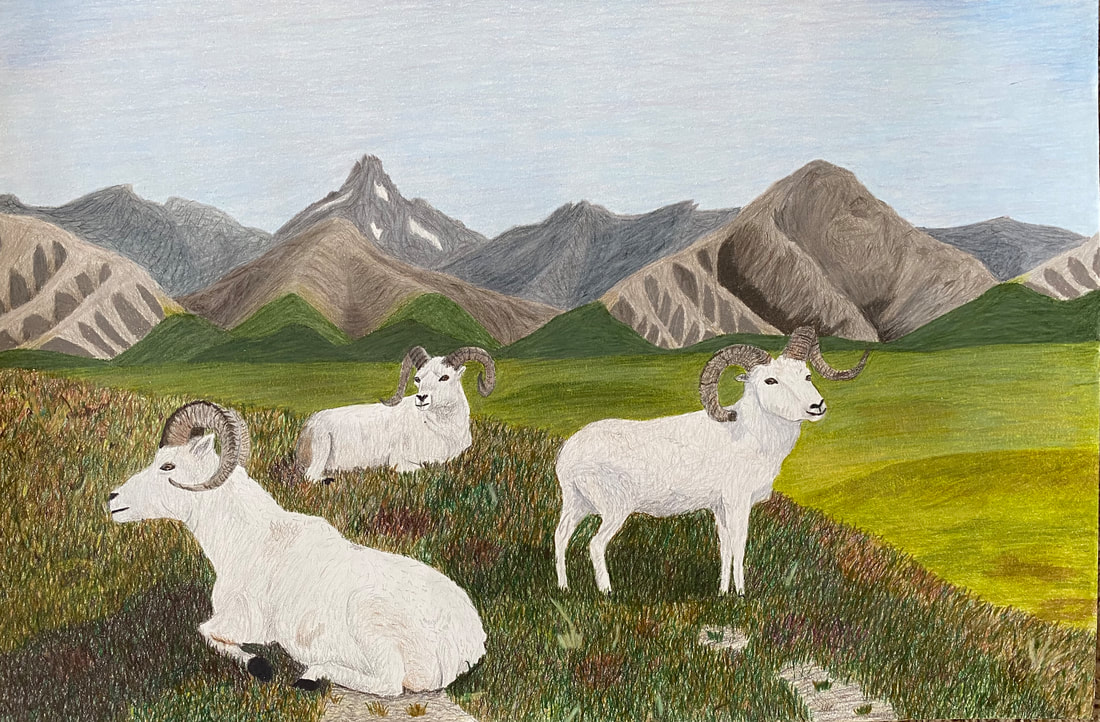
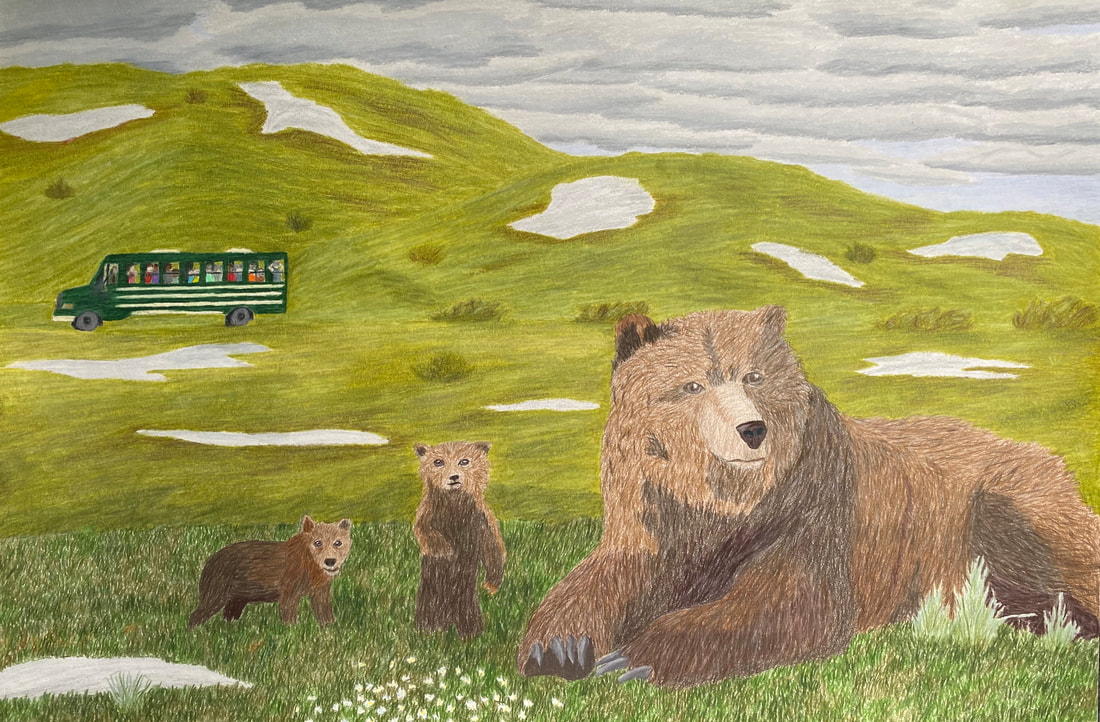
Blue Church Art students were inspired by the colors of autumn to create these beautiful artworks in pastel, gouache, and colored pencil. click on any image to enlarge it
Experts generally agree that the teapot dates back to around 1500 AD, with the emergence of Yixing teapots in China. Using purple and red clay from Yixing in the eastern province of Jiangsu, potters crafted small individual teapots with the handle and spout design we know today. Long before the Yixing teapot, people drank tea as a paste of roasted leaves ground with other ingredients and dried into tablets that dissolved in a teacup. So historically, the teacup came first! The evolution of the tea cup began in China during the eighth century, when the brew was served in small porcelain or stoneware bowls. Since the Chinese drank tea lukewarm, there was no problem handling the bowl. During the 17th century, tea bowls were being exported into Europe. The English liked their tea piping hot, so handling the bowl was a problem. The solution came in the form of a matching shallow dish into which the tea was poured and then sipped from. It wasn’t until about 1810 that a handle was applied to the tea bowl and the form evolved into the cup and saucer as we know it today. Students at Blue Church Art used a variety of media to create their own tea cups and teapots. click on any image to enlarge it
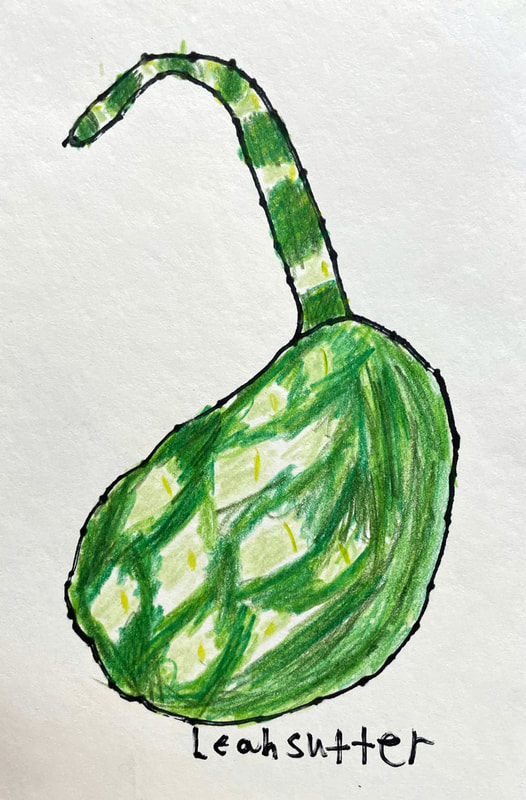
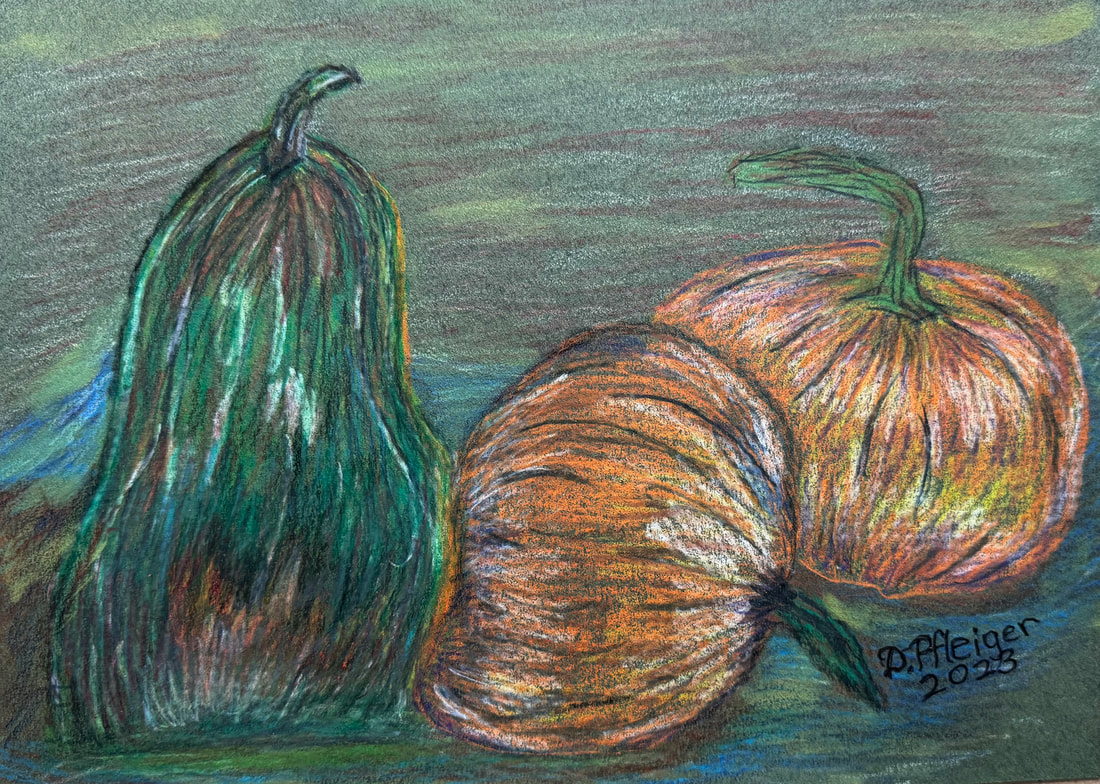
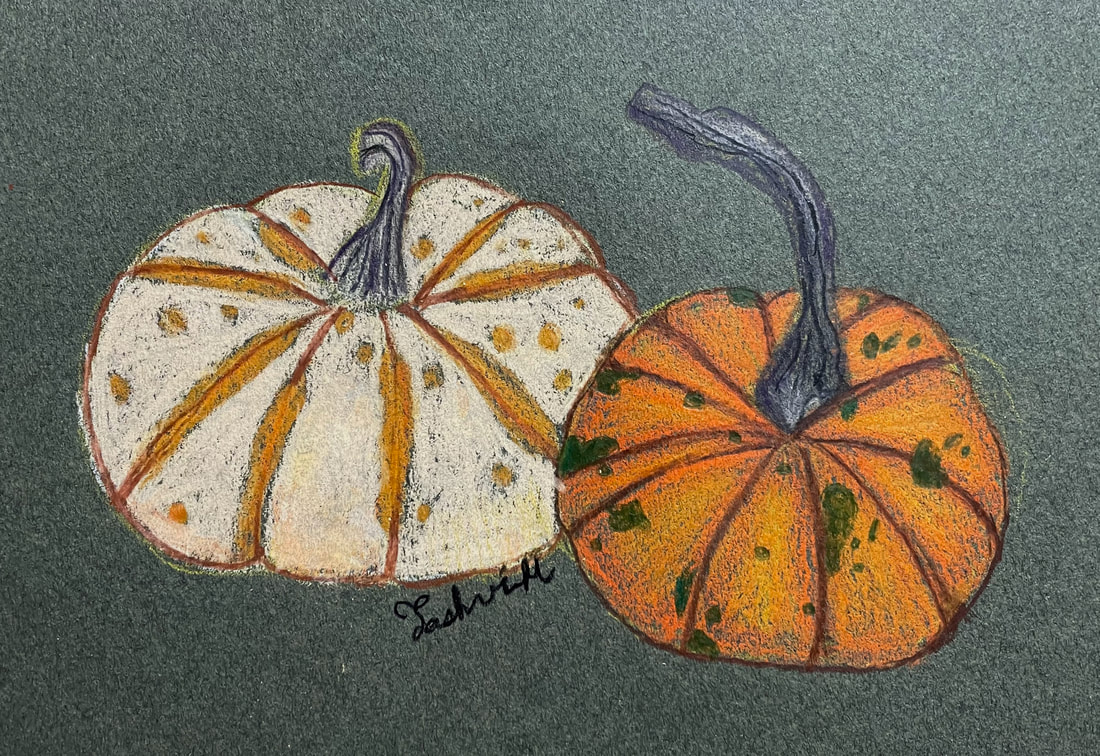
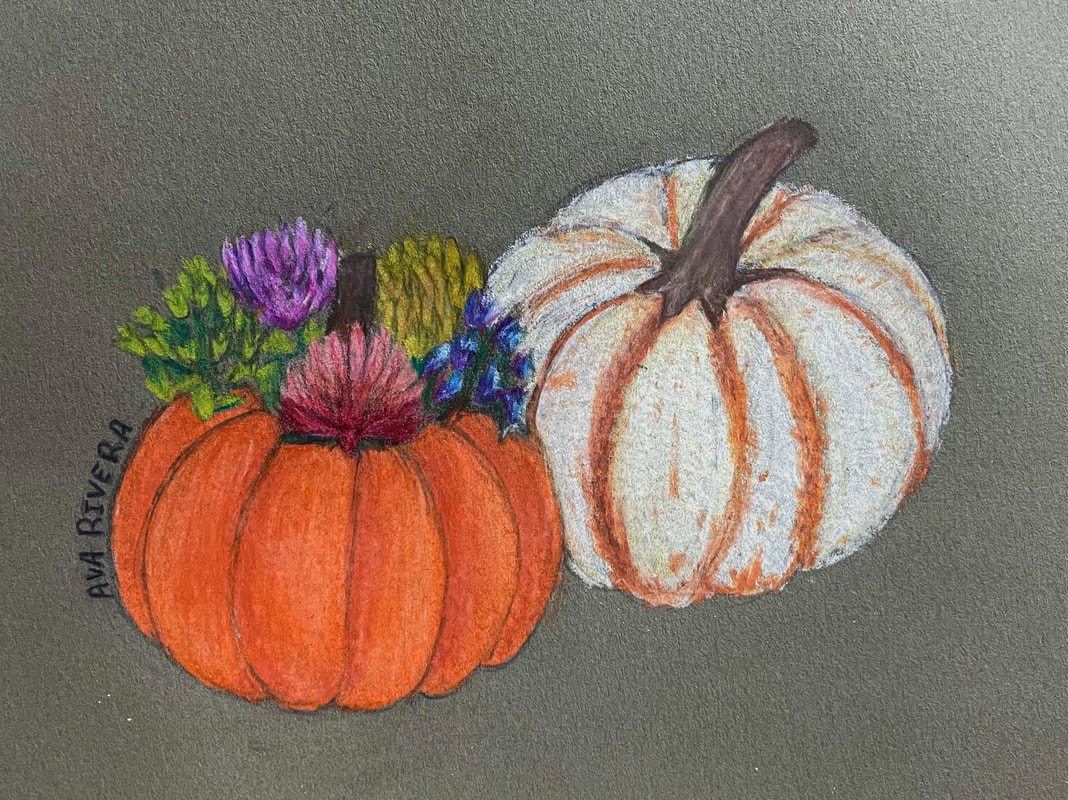
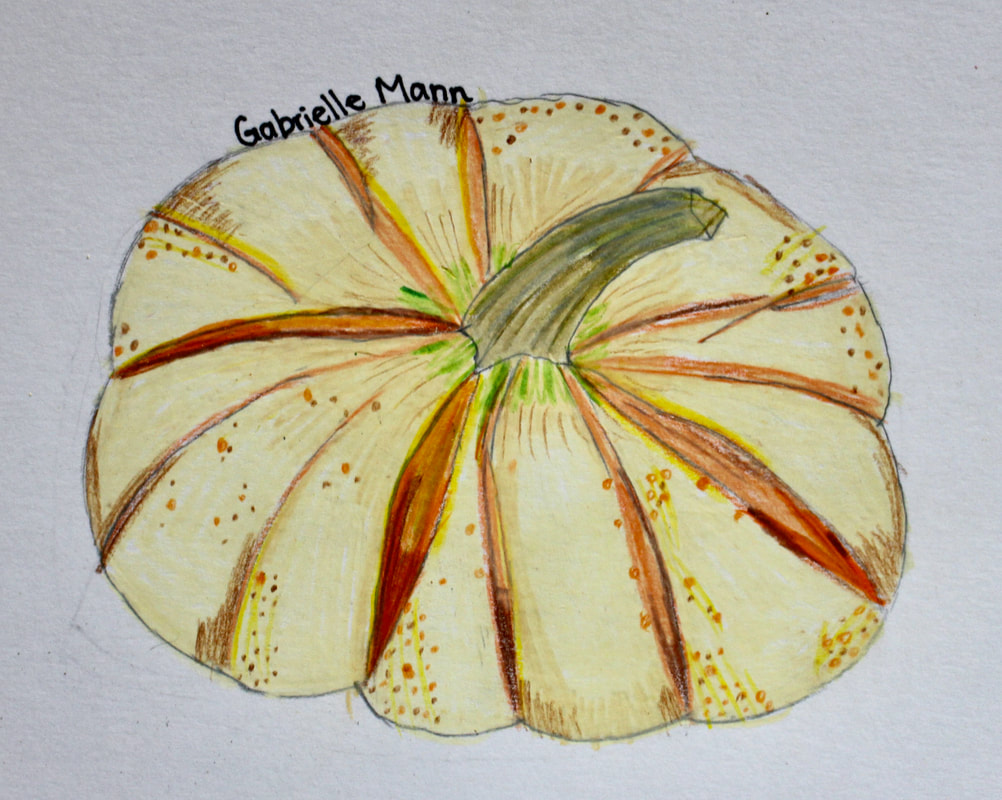
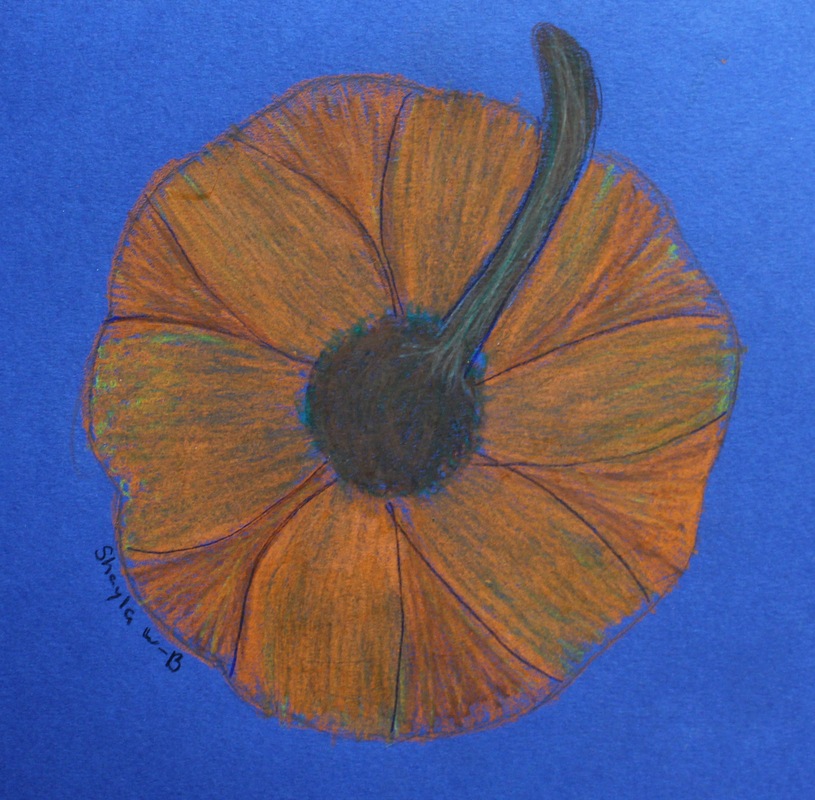
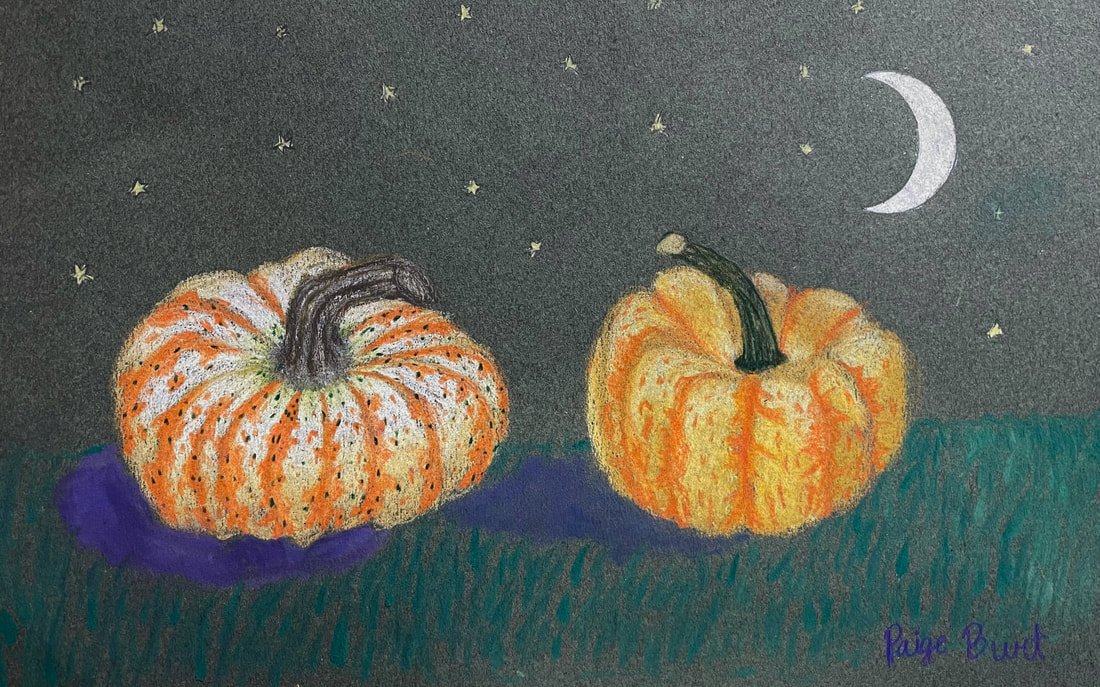
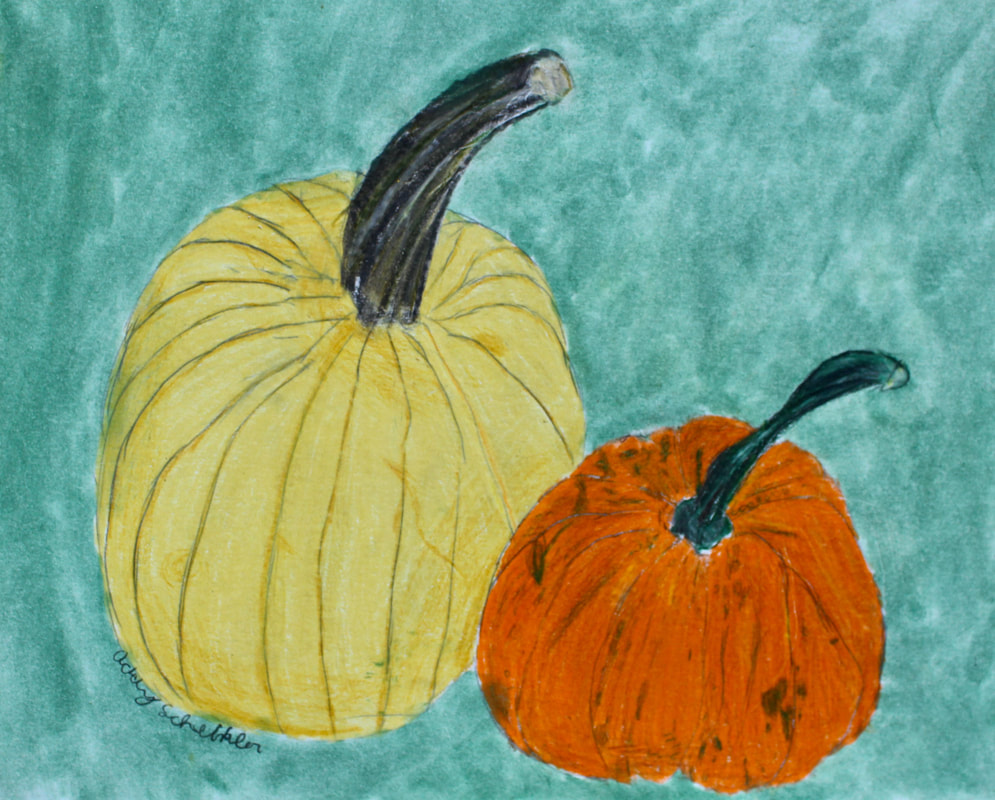
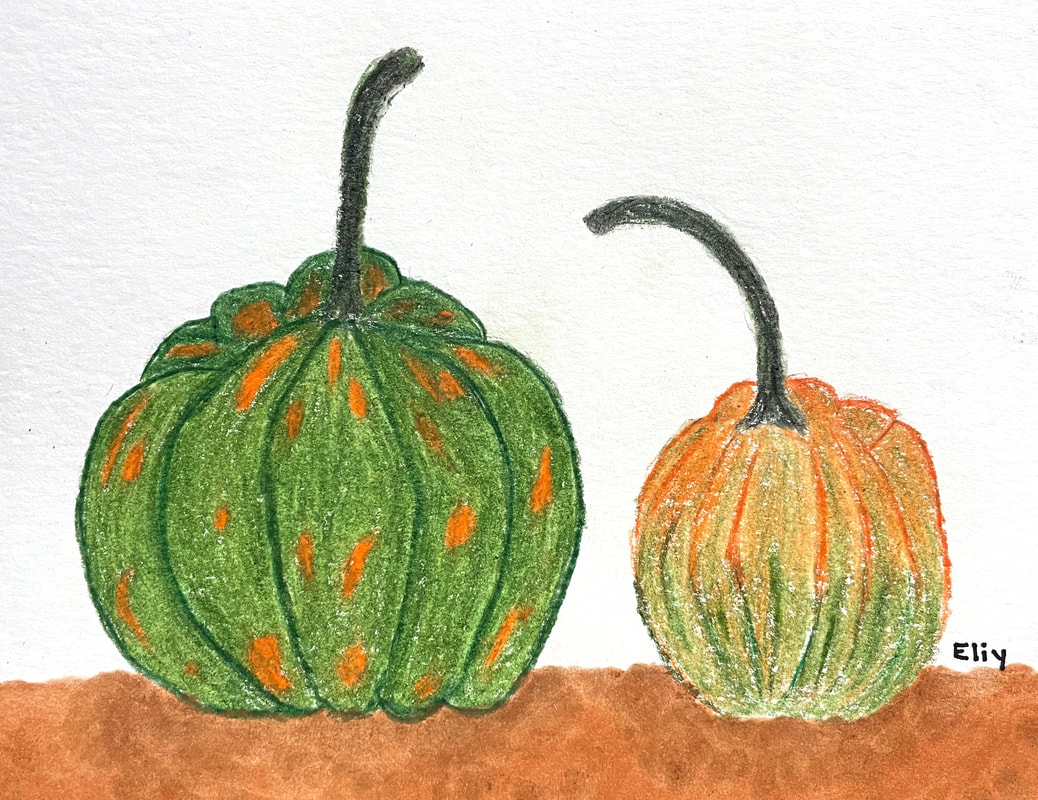
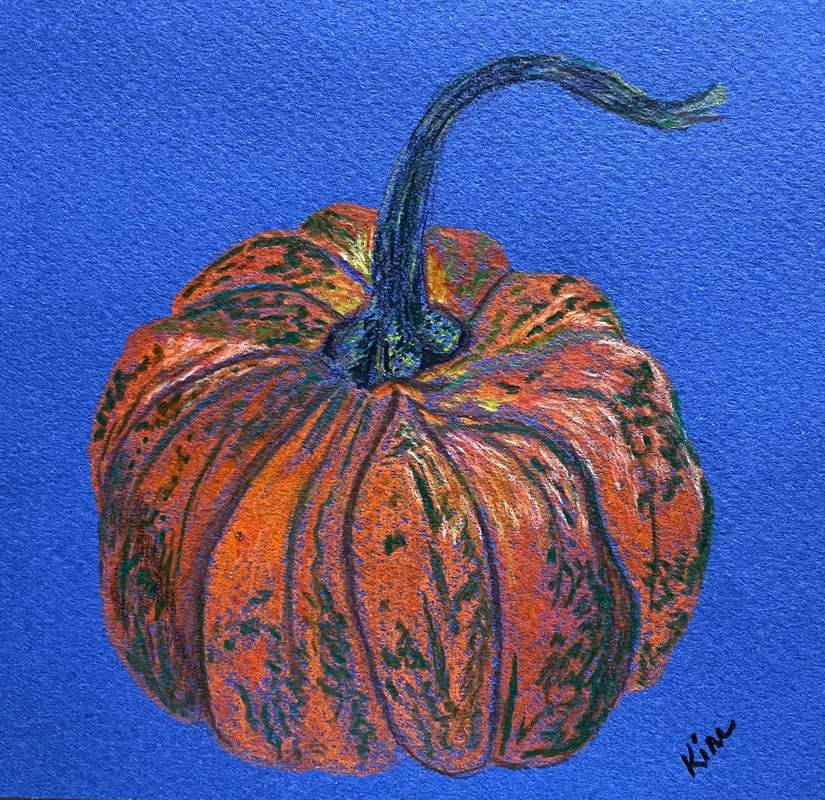
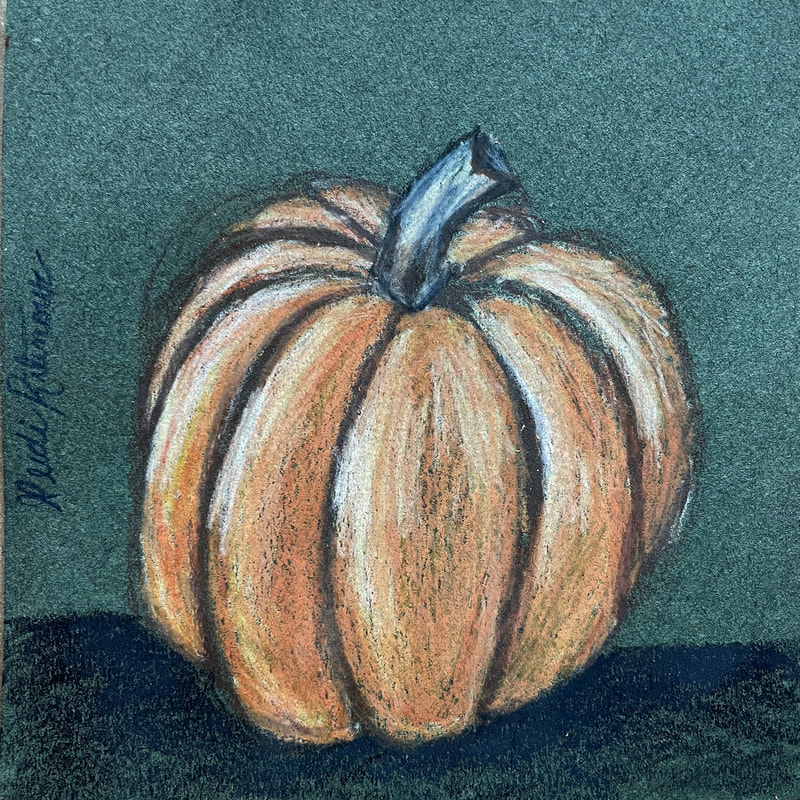
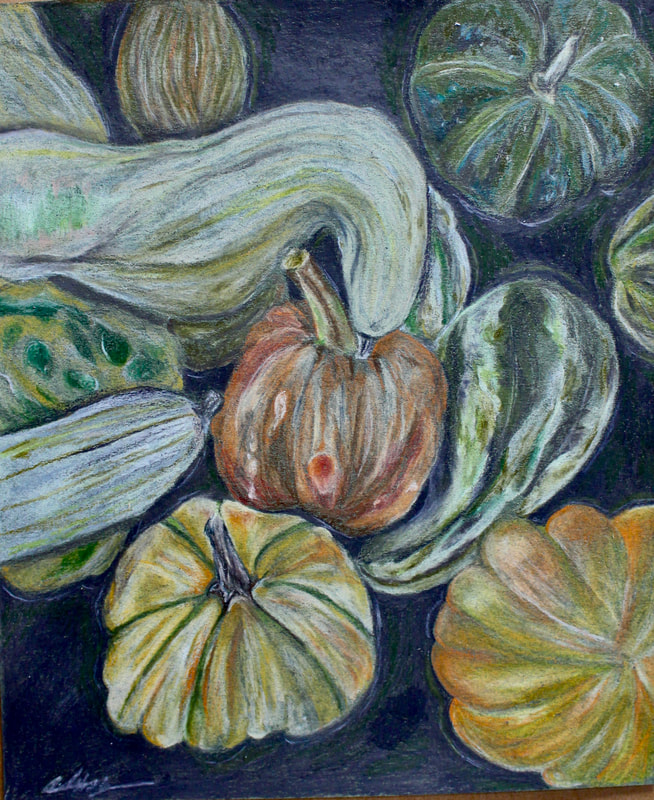
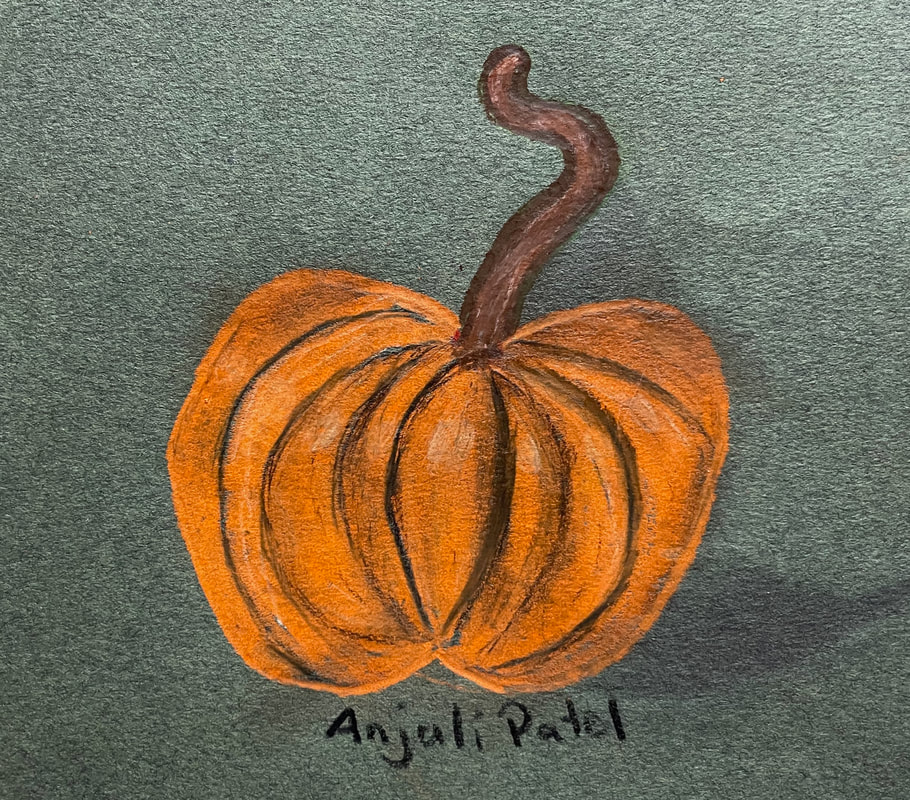
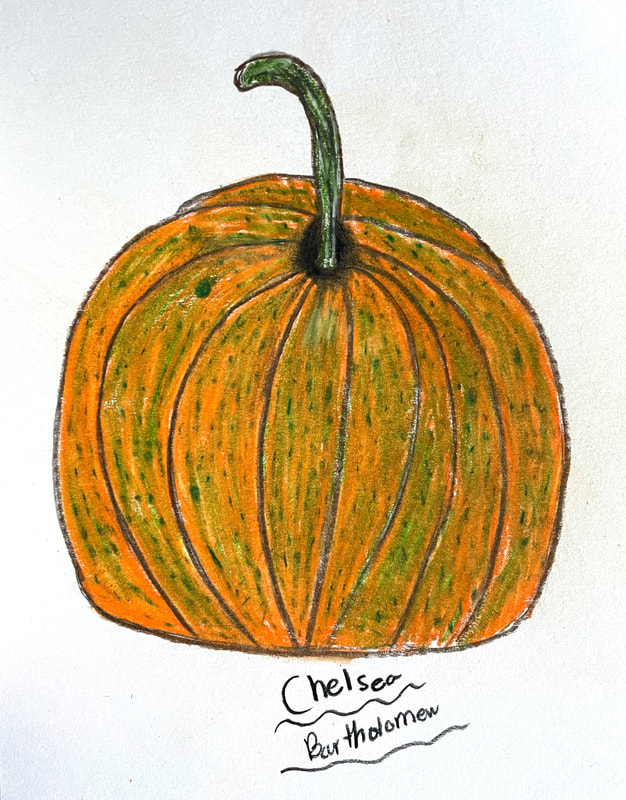
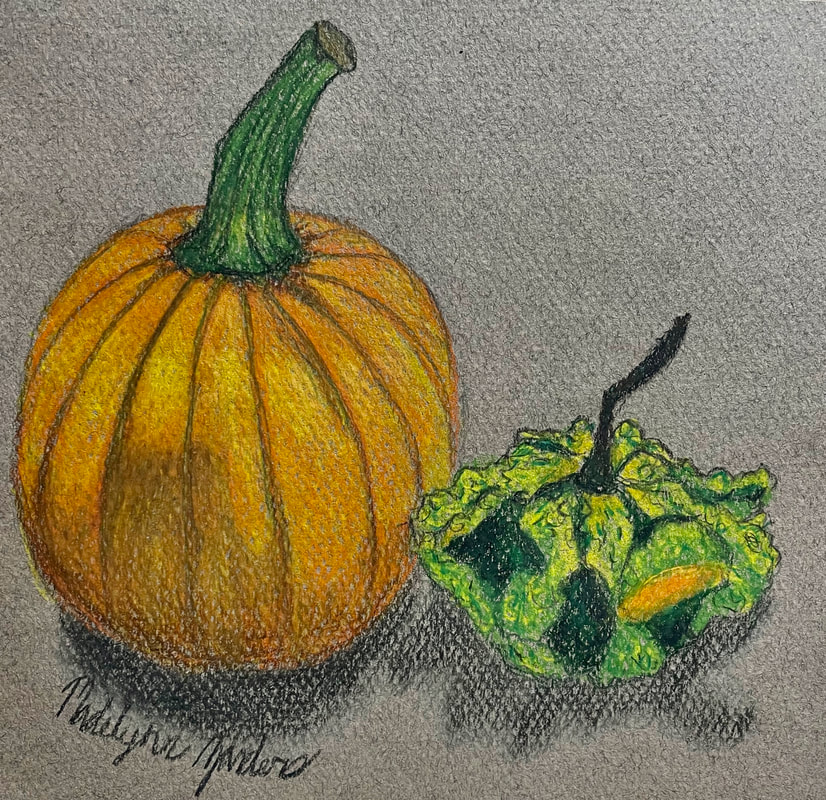
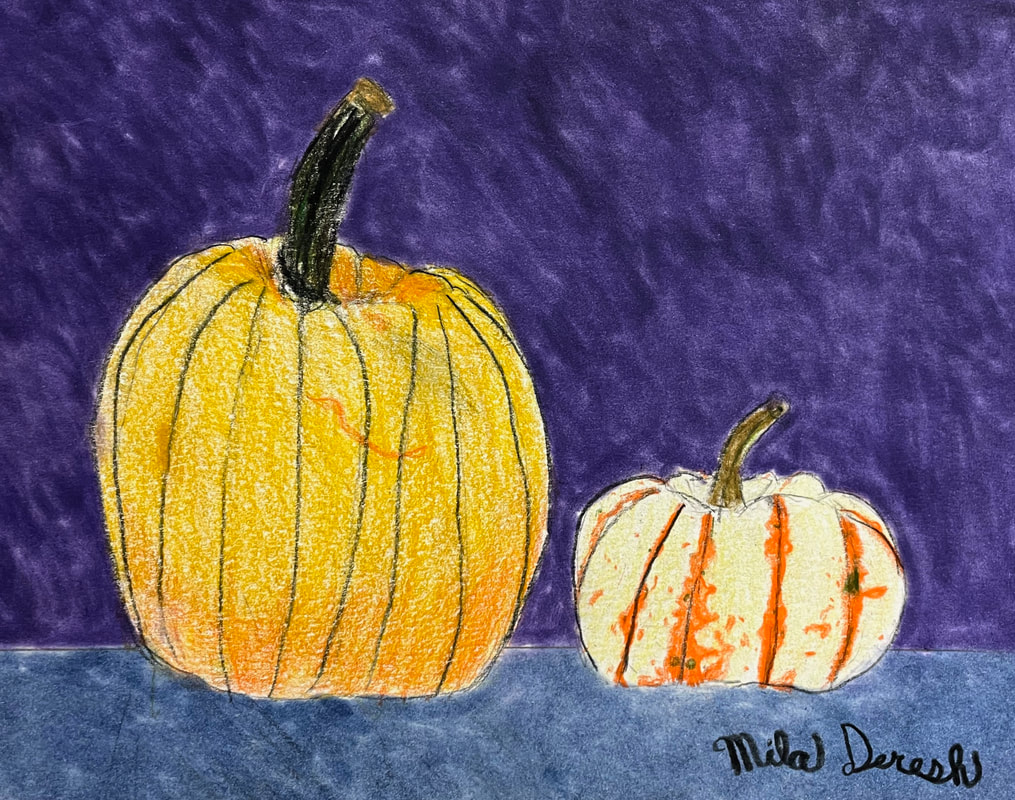
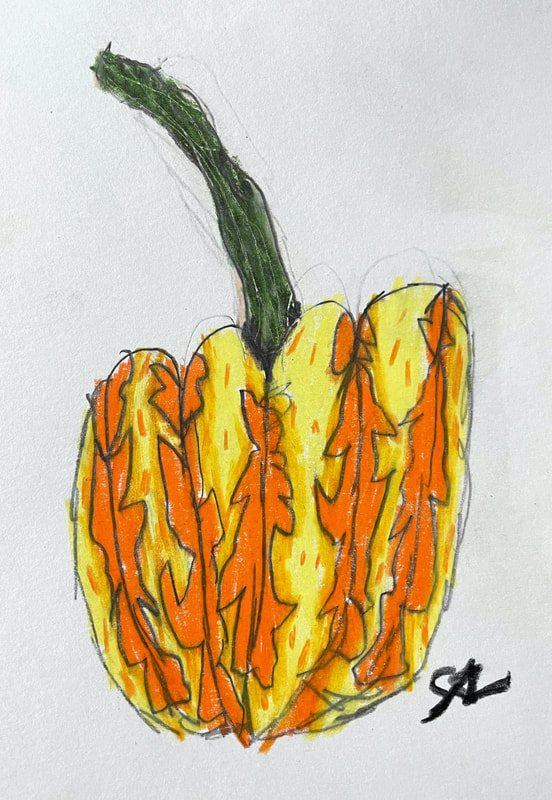
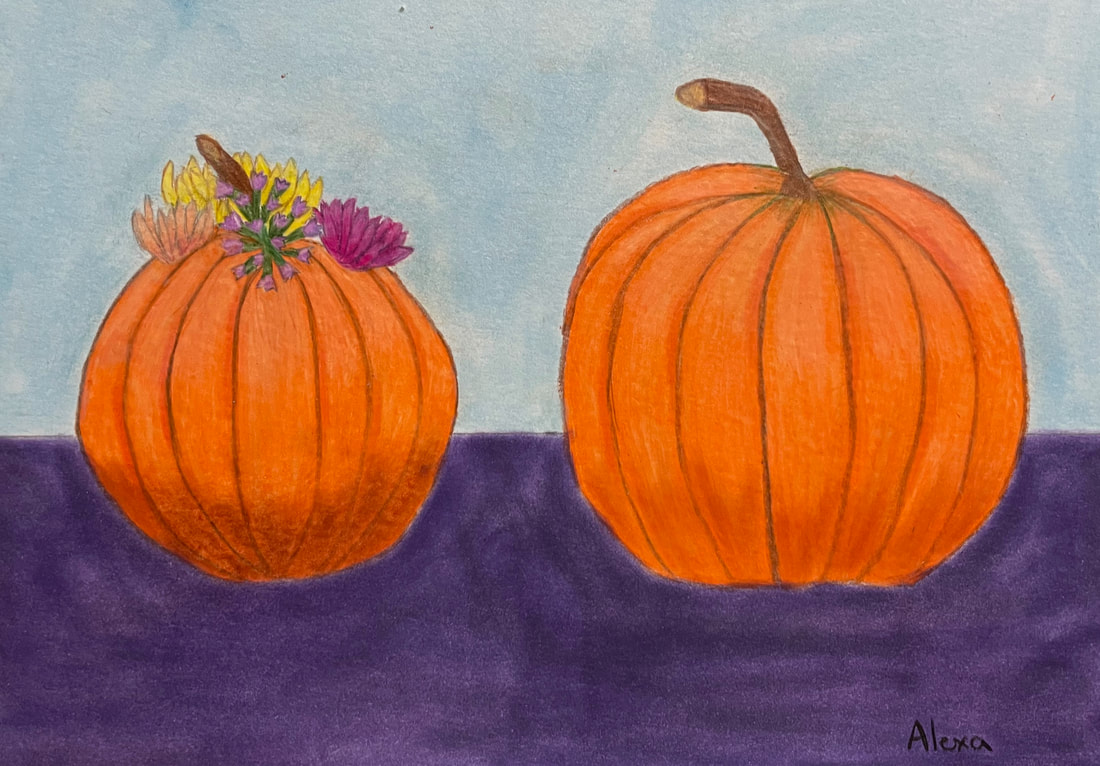
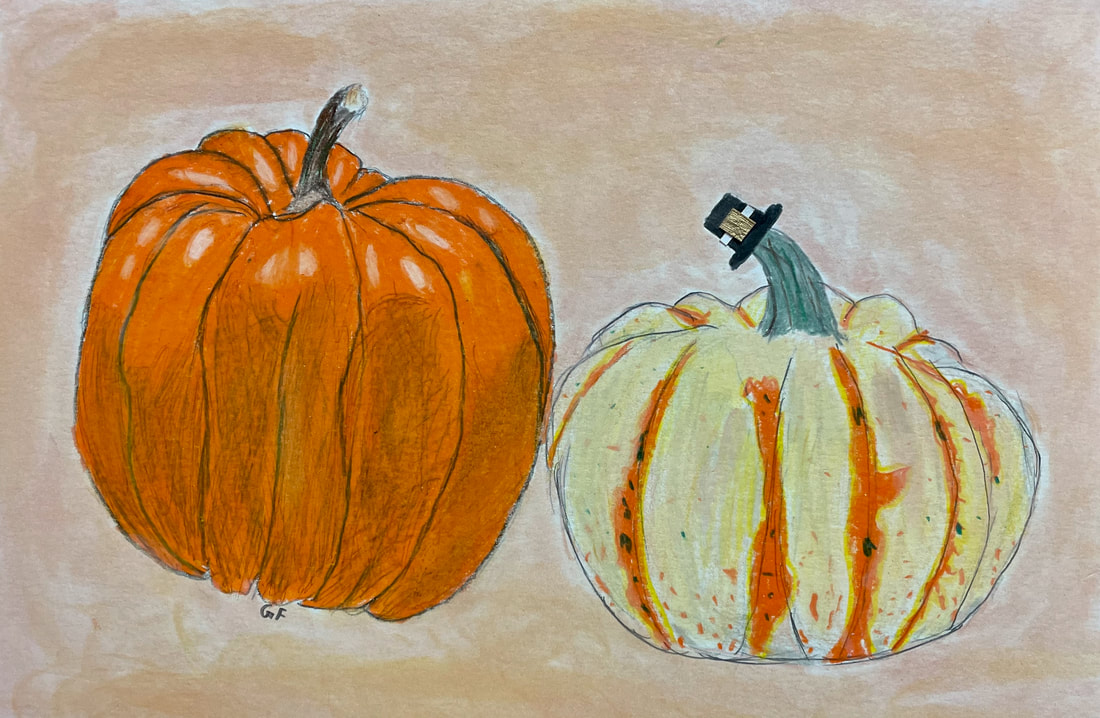
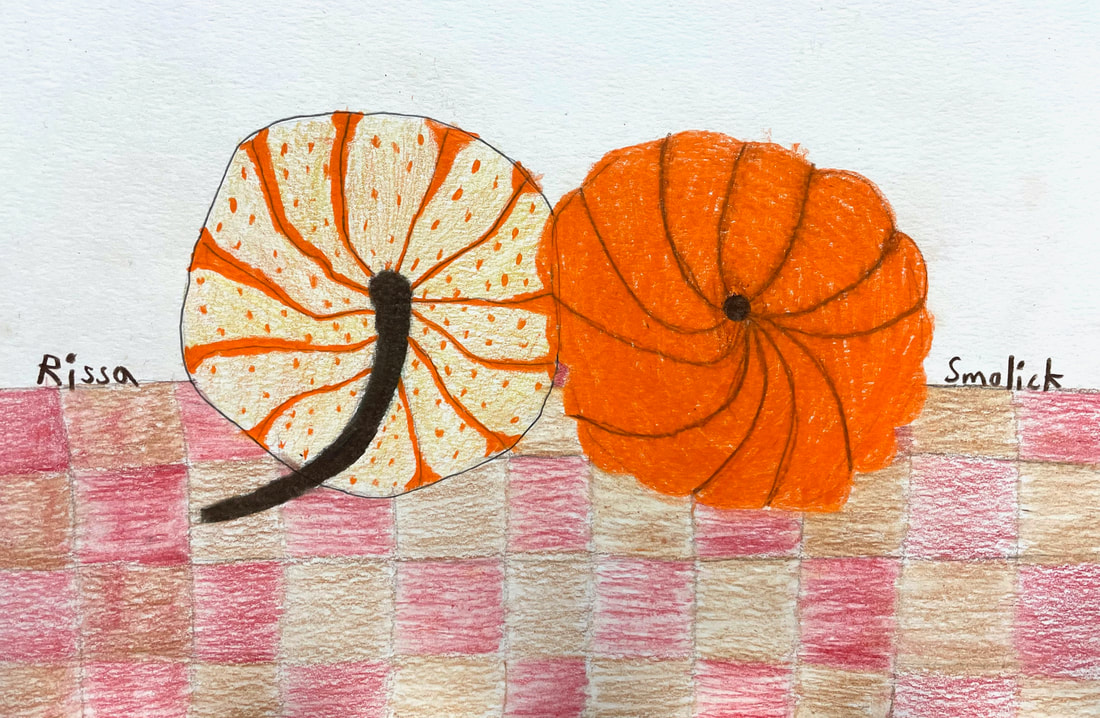
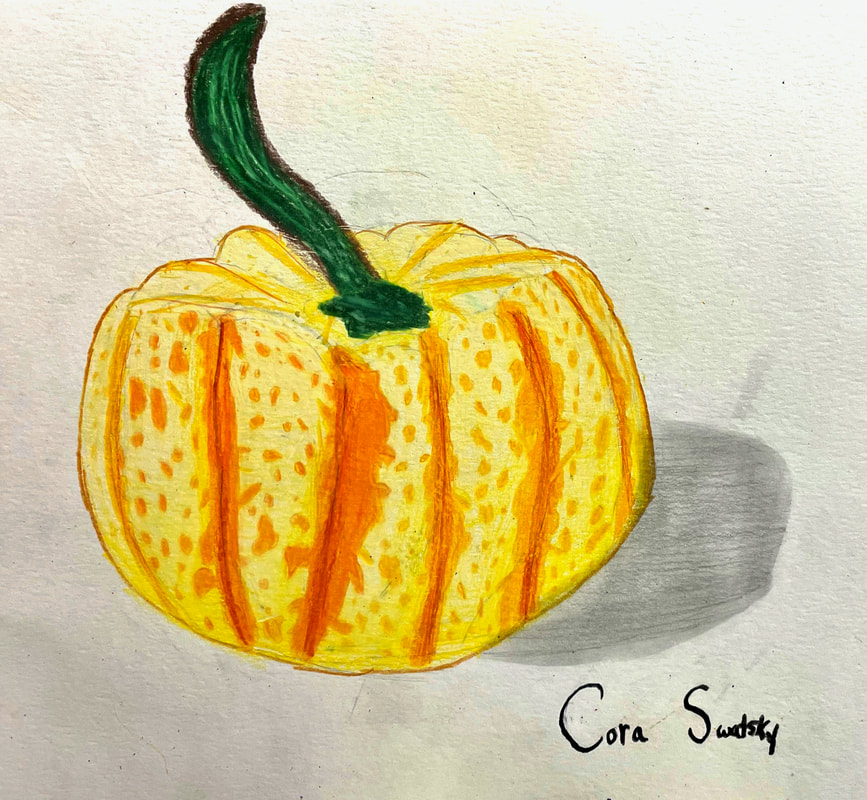
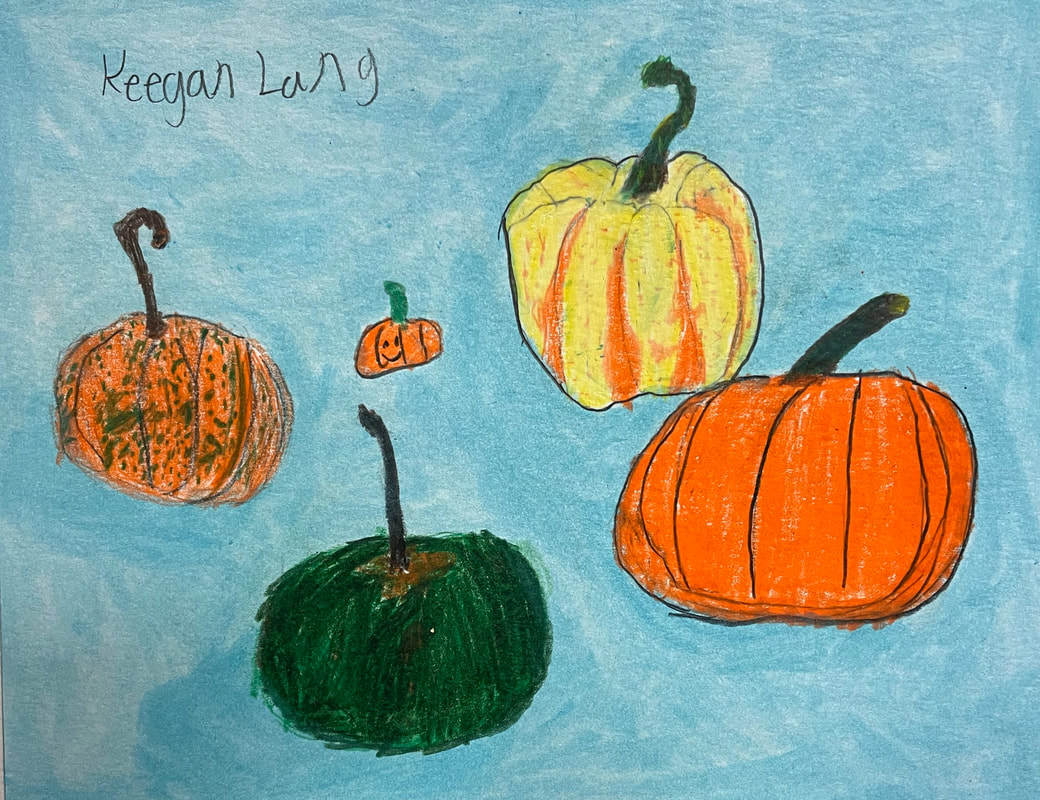
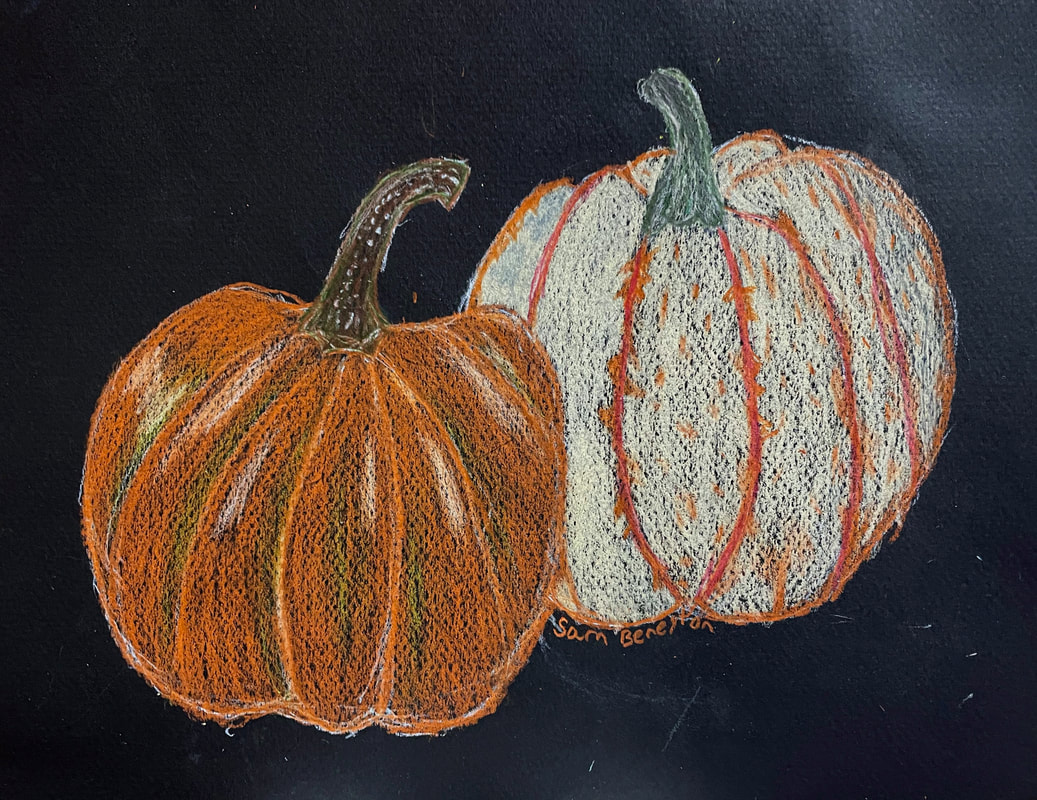
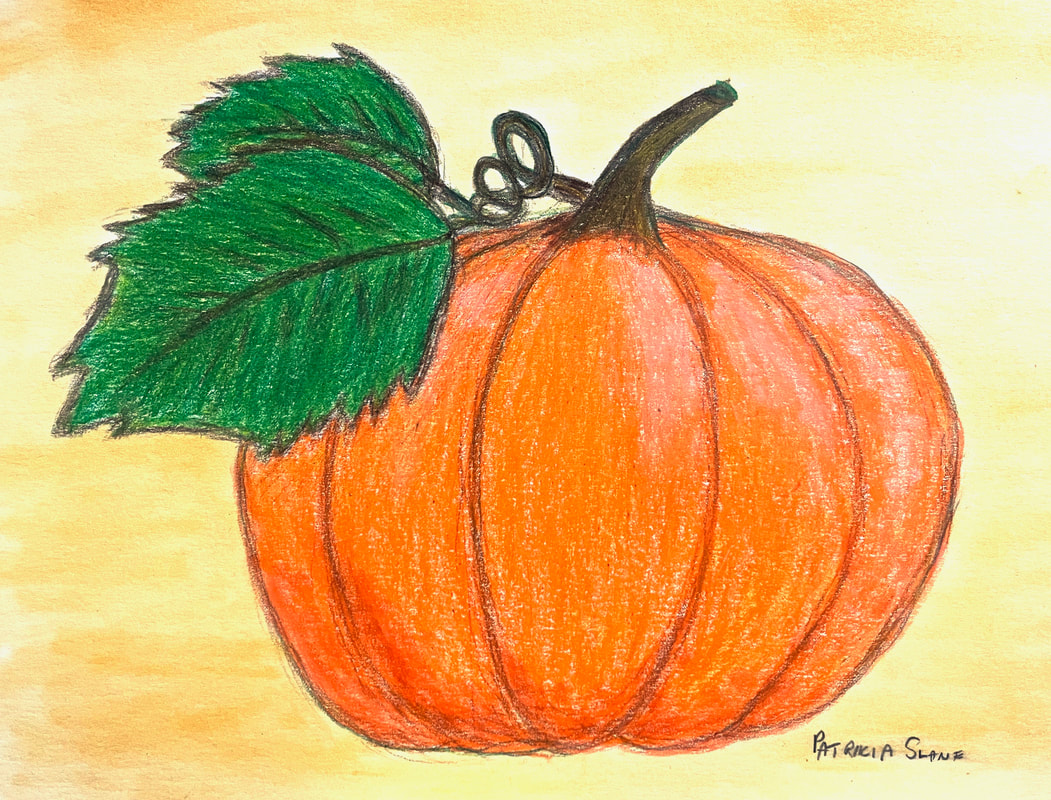
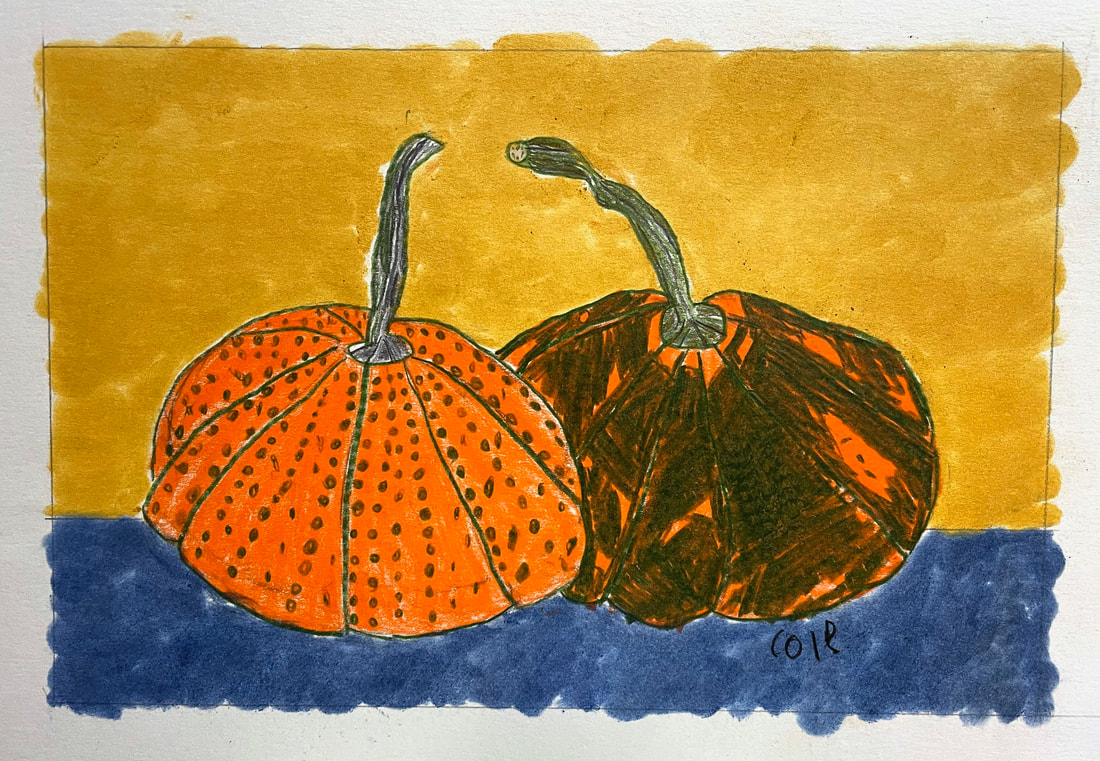
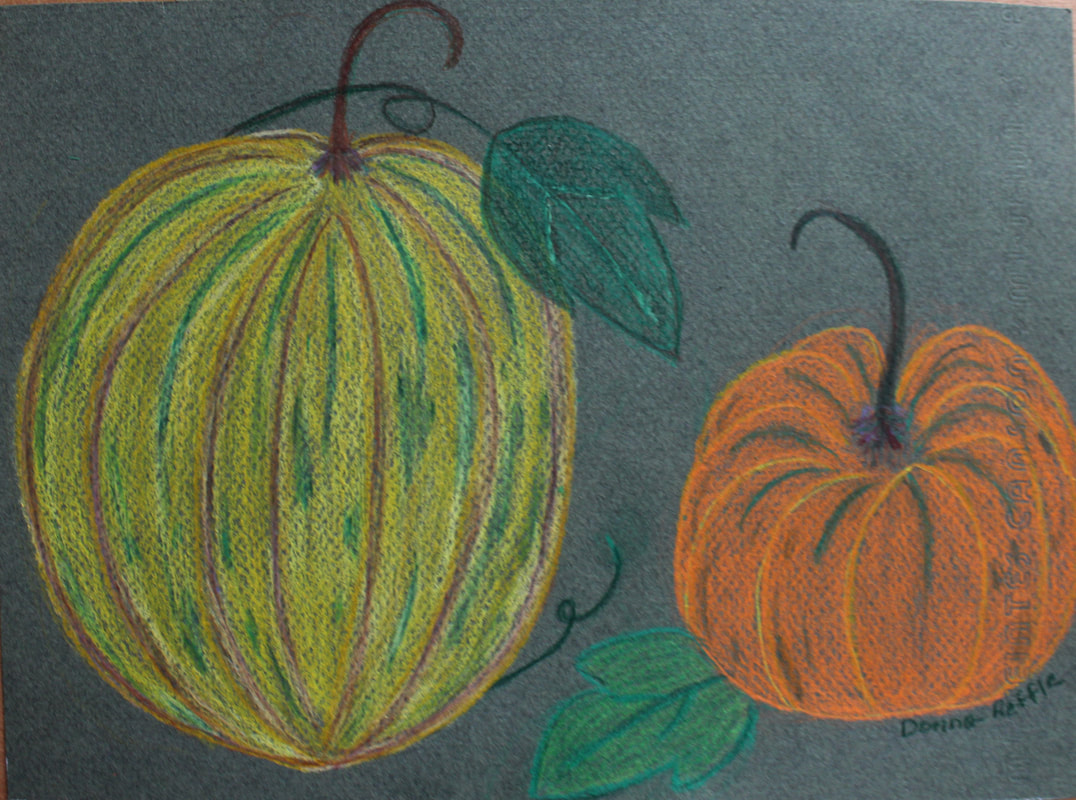
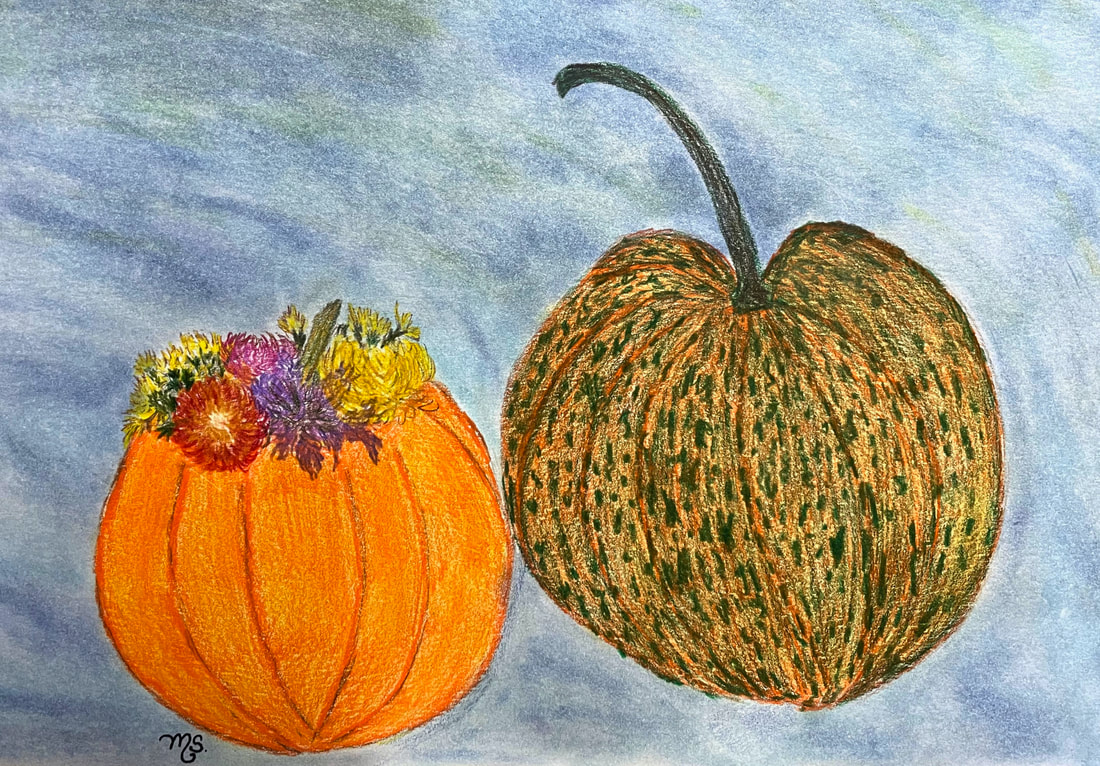
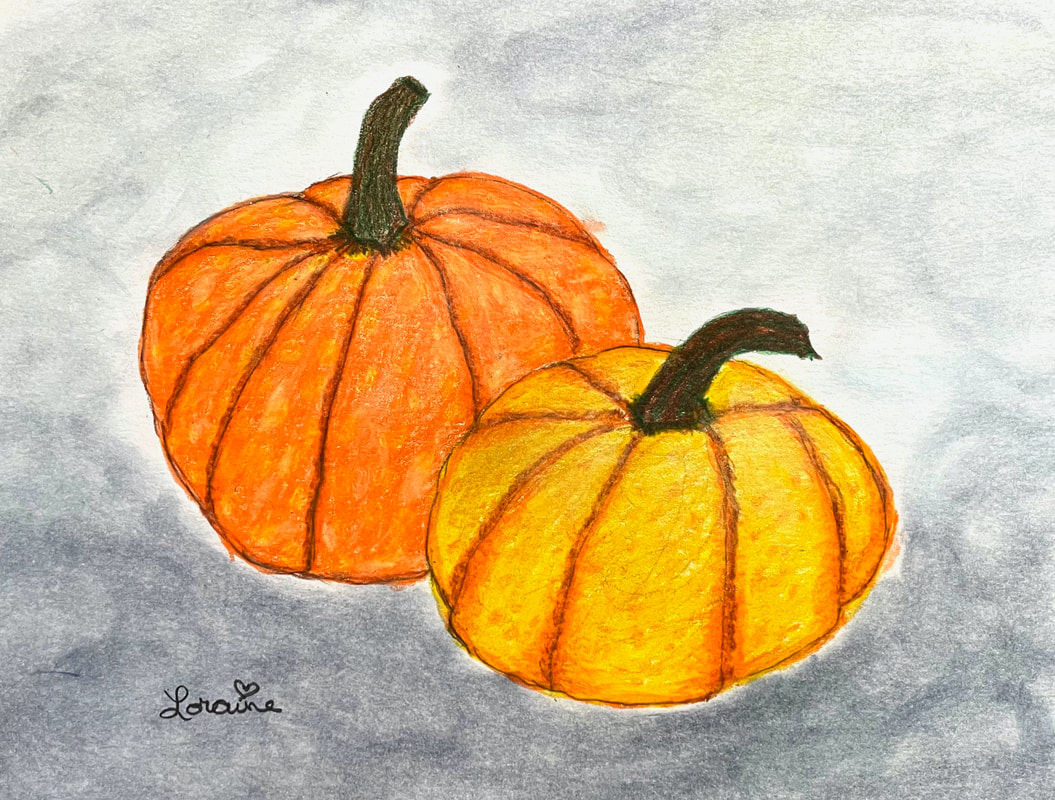
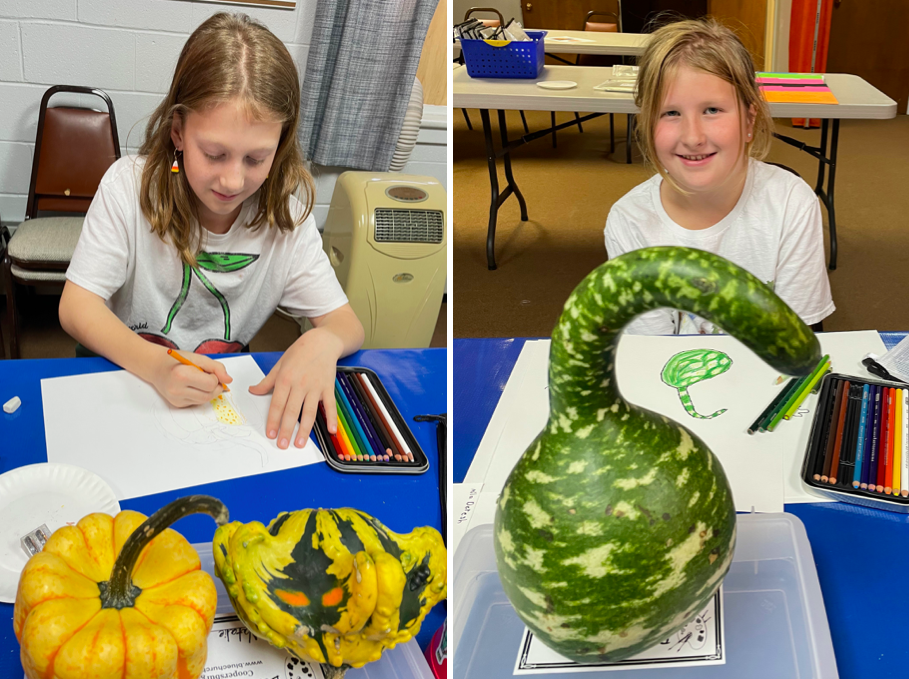
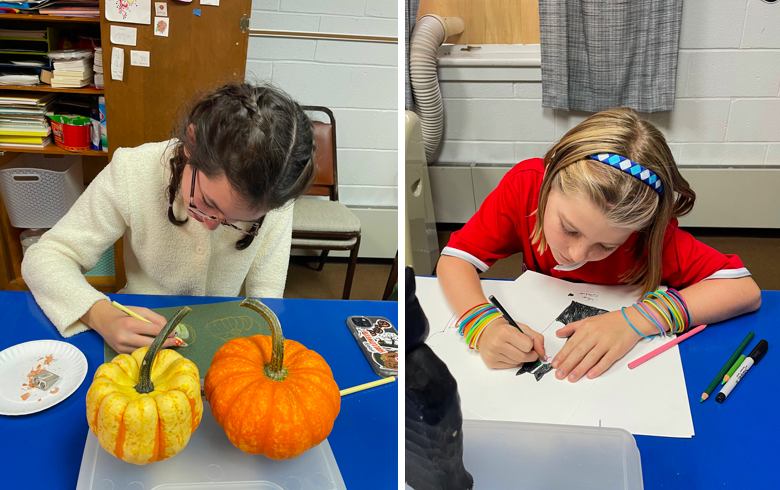
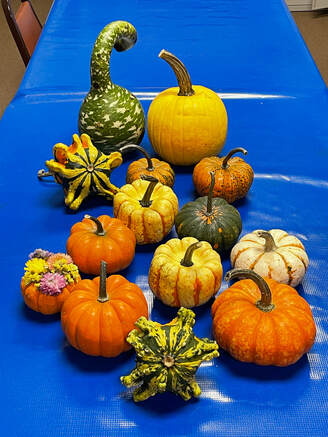
I love autumn, the most colorful time of year in these parts. One of the treats that can be found in the fall is the variety of decorative gourds that are for sale at local farm stands. I bought some beauties for my students to draw. click on any image to enlarge it
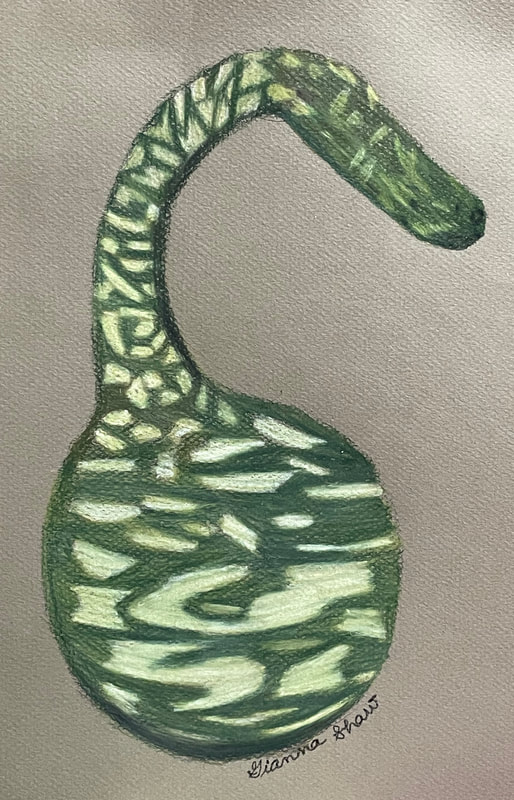
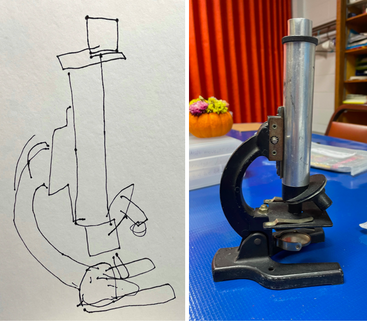
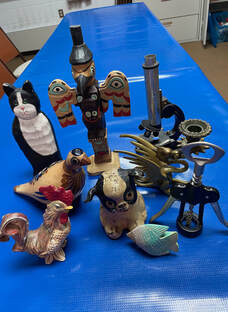
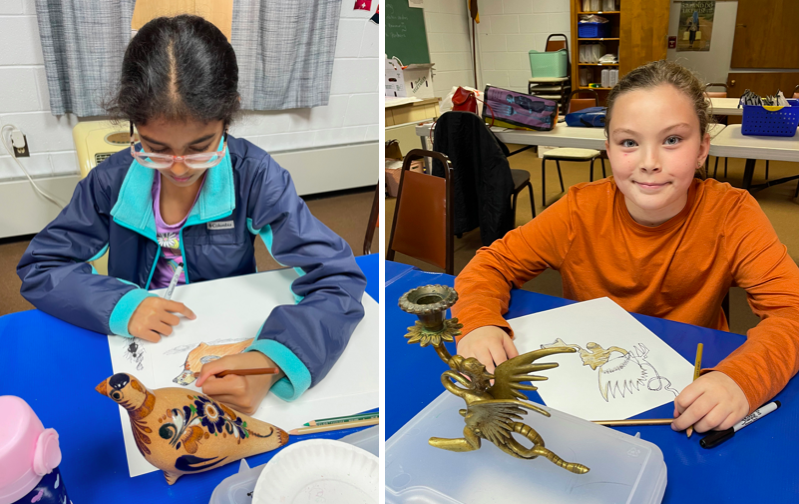
The first lesson that I give to new students who are in grades 4 and up is "blind contour drawing." In this exercise, a student fixes their eyes on the outline (contour) of the object, then tracks the edge of the object with their eyes, while simultaneously drawing the contour very slowly, in a steady, continuous line, without looking at the paper. Blind contour drawing trains the eye and hand to work as a team, and it helps students to see all of the details of the object.
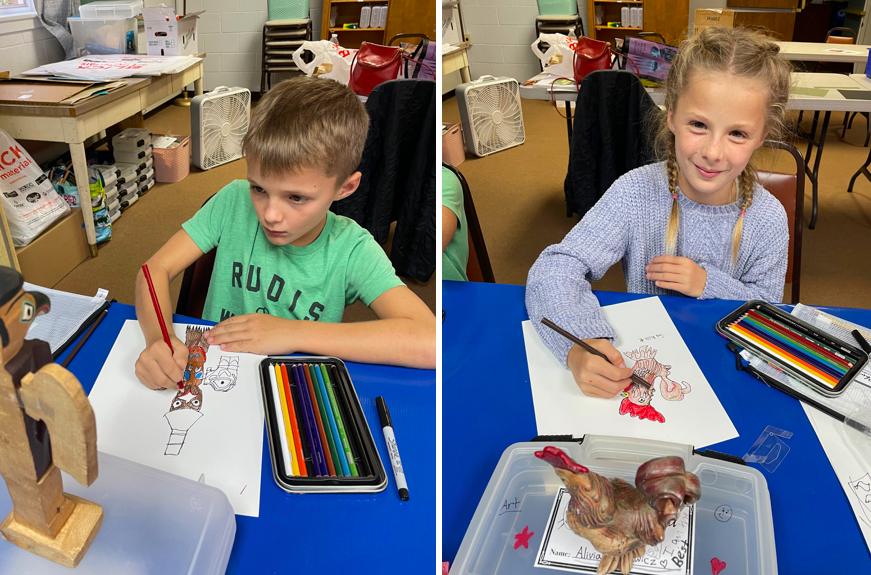
Towards the end of the class I invite each student to choose an object and draw it again, looking at the paper as well as the object, and adding color. The results are always impressive!
click on any image to enlarge it
|
Blue Church Art
|
RSS Feed